Make A Choice. Take A Step. Find Life.

Recovery Grounded in Faith and Human Dignity

Start Here

Recovery Grounded in Faith and Human Dignity

Eternal Awakenings is a Christian recovery community in Gonzales, Texas, built for people and families who need hope, structure, and a real place to begin again.

View Our Video

Get a quick look at Eternal Awakenings — our mission, environment, and heart for recovery.

Need help now? Call (830) 263-3269 or email eternalawakenings@gmail.com.

Explore Recovery Topics

Read guidance for addiction, family recovery, faith, and updates from Eternal Awakenings.

Addiction and Recovery

Clear, grounded guidance on addiction, treatment, and the slow work of rebuilding a life.

Open Page

Recovery and Family

Support for families carrying the fear, anger, grief, hope, and exhaustion addiction leaves behind.

Open Page

Grace in the Shadows

Reflections on faith, mercy, and the quiet places where recovery often begins.

Open Page

Blog / Updates

Stories, announcements, recovery reflections, and new writing from Eternal Awakenings.

Open Blog

What to Expect at a Christian Rehab

A direct article for families and individuals wondering what treatment may actually look like.

Open in Christian Treatment

Take a Tour of Our Home

Our program is set in a beautiful historic home in Gonzales, Texas. Tap a photo to enlarge.
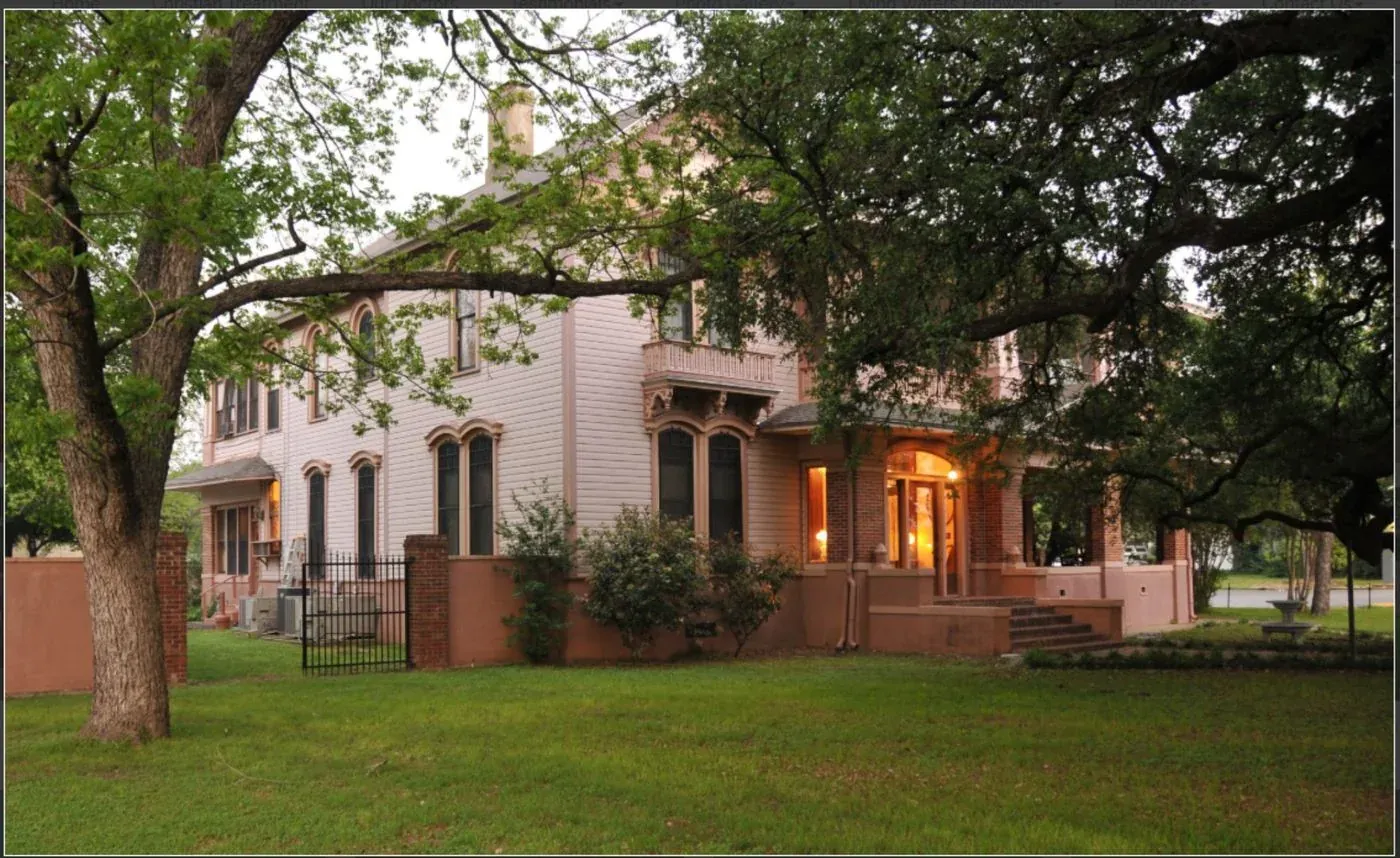
View the Full Photo Tour

Most popular: Christian Treatment  |  View Our Video  |  Testimonials  |  Recovery and Family  |  Blog / Updates

About Jim Welch

Founder and Director of Eternal Awakenings Christian Rehabilitation in Gonzales, Texas.

Jim Welch

A Life Given to Recovery, Faith, and Hope

Founder and Director • Eternal Awakenings Christian Rehabilitation

For more than four decades, Jim Welch has dedicated his life to helping individuals and families overcome addiction, rebuild relationships, and discover lasting hope.

As Founder and Director of Eternal Awakenings Christian Rehabilitation in Gonzales, Texas, Jim brings together professional addiction treatment, Christian faith, and Twelve-Step recovery principles. His approach is shaped not only by decades of clinical and leadership experience, but also by his own recovery journey and a lifelong commitment to serving others.

A Calling Shaped by Life

Jim’s journey began in pastoral ministry, serving churches in Tennessee and Arkansas as both Associate Pastor and Senior Pastor. During those years he preached regularly, directed music ministries, taught adult education classes, and walked alongside people facing illness, grief, addiction, family struggles, and loss.

Those early experiences awakened a lifelong interest in faith, human suffering, recovery, and spiritual growth.

After leaving pastoral ministry, Jim worked with Texas Health and Human Services, helping develop programs for individuals with disabilities. During this period, influential mentors and colleagues helped shape his professional development while also encouraging him to confront the growing impact alcohol was having on his own life.

On August 20, 1980, Jim entered recovery and began a new chapter that would ultimately define his life’s work.

Following his recovery, Jim’s sponsor, C.W. Stewart, encouraged him to devote thirty days to helping alcoholics seeking sobriety. Using accumulated leave from his position with Texas Health and Human Services, Jim accepted the challenge. Those thirty days became fourteen months and ignited a passion for recovery work that would shape the rest of his professional life.

Today, Jim remains grateful for more than four decades of sobriety and for the many people whose guidance, friendship, and encouragement helped shape his life.

Professional Experience

Throughout his career, Jim has helped develop and lead treatment programs across Texas.

His experience includes Texas Health and Human Services, where he helped develop programs for individuals with disabilities.

In 1982, Georgetown Hospital administrator Ken Poteet offered Jim the opportunity to develop and lead a new addiction treatment program, launching a professional career in treatment and recovery services that would span more than four decades.

  • At Georgetown Hospital, Jim founded the San Gabriel Treatment Center outpatient program and the Fred M. Carter Inpatient Treatment Center.
  • He participated on a grant-writing team that secured funding for innovative treatment services in partnership with Texas Community Supervision and Corrections.
  • He recruited and hired the counseling staff for the Central Texas Treatment Center and provided consultation to the building architect to maximize space for the treatment program.
  • At Baywood Hospital in Webster, Texas, he developed psychiatric and chemical dependency day hospital services.
  • He later opened a private counseling practice for chemically dependent individuals, couples, and families.
  • He served as Clinical Director and Marketing Director for La Hacienda Treatment Center’s Solutions Outpatient Program.

During his career, Jim served as a Licensed Chemical Dependency Counselor for approximately thirty years before transitioning his primary focus to program leadership, administration, ministry, and program development.

These experiences provided a unique blend of clinical, administrative, counseling, and leadership skills that would later contribute to the development of Eternal Awakenings.

The Vision for Eternal Awakenings

Over the years, Jim observed that many people seeking recovery found only part of what they needed.

Some found spiritual support but lacked professional counseling and medical care. Others received quality treatment but never addressed the deeper spiritual questions that often accompany addiction and recovery.

Eternal Awakenings was founded in 2001 to bring these elements together.

The program combines Christian faith, professional counseling, medical support, and Twelve-Step recovery principles in a comprehensive approach designed to help individuals heal physically, emotionally, mentally, and spiritually.

For more than two decades, Eternal Awakenings has helped men and women from across the United States begin new lives in recovery.

Education

Jim studied Psychology, Sociology, Social Work, Philosophy, and Theology, including theological studies at the Perkins School of Theology at Southern Methodist University.

His professional experience spans more than forty years in addiction treatment, counseling, program development, pastoral ministry, and recovery support.

Today

Jim serves as Founder and Director of Eternal Awakenings Christian Rehabilitation and Senior Pastor of Living Waters Fellowship Church in Gonzales, Texas.

He continues to believe that recovery is possible for anyone willing to seek help, regardless of how hopeless their circumstances may seem.

The mission of Eternal Awakenings is rooted in a simple conviction: people can change, families can heal, and hope can be restored.

No one has to walk the road to recovery alone.

Need help taking the next step? Call (830) 263-3269 or email eternalawakenings@gmail.com.

Christian Treatment

Welcome to Eternal Awakenings Christian Drug Rehab. Set in a Gonzales, Texas historic mansion, our drug rehab center provides a beautiful, serene atmosphere conducive to spiritual reflection and Christian recovery. By applying Christian principles, our faith-based rehabilitation program helps people effectively overcome the destructive power of alcohol and drug addiction.

Overcome drug addiction with our Christian Drug Treatment Center

Our Christian Drug Rehab has helped hundreds of adults from all over the country overcome alcohol and drug addiction. Unlike secular rehabs, our Christ-centered rehab focuses on healing of the mind, body, and spirit through Christian recovery.

Christian Drug Treatment Counseling – Hope for the family

The negative effects of addiction are far reaching. Whether it involves the abuse of drugs or alcohol, the behavior of the addicted person impacts many lives. Spouses and children, parents and siblings, and close friends are all affected. We consider the family throughout the rehabilitation, healing and recovery process. As an integral part of our Christian rehab program, we provide the opportunity for Christian Family Counseling. There is hope.

Help is as close as your phone. Call us now at (830) 263-3269.
Christian Treatment Why Spiritual Healing Matters in Drug Rehab By Eternal Awakenings, June 13, 2026 — why lasting recovery must restore the mind, body, and spirit.

By Eternal Awakenings • June 13, 2026

Addiction destroys more than bodies. It fractures relationships, erodes self-worth, and leaves people feeling spiritually empty. Many who enter traditional rehab programs find that treating only the physical symptoms of addiction leaves them vulnerable to relapse. They quit using, but they don’t feel whole. This is where spiritual healing changes everything.

Eternal Awakenings approaches recovery differently. Rather than treating addiction as solely a medical or behavioral problem, the program recognizes that true healing requires restoring the mind, body, and spirit. This Christ-centered approach has helped hundreds of adults from across the United States reclaim their lives, not just from addiction, but toward purpose and hope.

The Three-Part Foundation of Lasting Recovery

Most people understand that addiction has physical consequences. Withdrawal, cravings, and damaged health are real. But addiction also creates a spiritual and emotional void. Without addressing that emptiness, even people who achieve sobriety often struggle with depression, anxiety, and a lingering sense of meaninglessness.

Healing the mind means working through trauma, grief, and the patterns that fueled addiction. Healing the body means managing withdrawal safely and rebuilding physical health. But healing the spirit means reconnecting with something larger than yourself, something that gives life direction and purpose.

When these three work together, recovery becomes sustainable. People stop using not because they fear consequences, but because they’ve discovered a better way to live.

Why Faith-Based Treatment Works Differently

Christian rehabilitation centers operate from a foundational belief: God offers redemption and grace to those who seek it. This isn’t about judgment or shame. It’s about hope.

Many people who struggle with addiction carry crushing guilt. They believe they’ve gone too far, that they’re beyond help, that they’re fundamentally broken. A secular program might address behavior and coping skills. But a faith-based program addresses the shame itself. It teaches that redemption is possible, that past mistakes don’t define your future, and that transformation is available through God’s grace.

This spiritual foundation changes how people relate to recovery:

  • They stop viewing sobriety as punishment and start seeing it as freedom.
  • They build connections to a faith community that supports long-term healing.
  • They develop spiritual practices like prayer and scripture study that sustain recovery when motivation falters.
  • They understand their worth as children of God, separate from their addiction.

These shifts aren’t psychological tricks. They’re genuine transformations that emerge when people experience spiritual connection and healing.

The Twelve Steps as Spiritual Practice

Eternal Awakenings integrates Christian principles with the proven twelve-step recovery model. The twelve steps explicitly recognize a higher power, but a faith-based program deepens this by making God’s grace central to each step.

Step one acknowledges that we’re powerless over addiction. Step two asks us to believe that a power greater than ourselves can restore us. These steps don’t work because they’re clever psychology. They work because they’re true. Addiction is powerful. Humans alone cannot defeat it. But God can.

When you combine the structure and accountability of the twelve steps with the spiritual foundation of Christian faith, recovery becomes more than staying clean. It becomes becoming new.

Healing Through Community and Counseling

Spiritual healing doesn’t happen in isolation. At Eternal Awakenings, group counseling sessions create a community of people all seeking transformation. In these groups, residents share their stories, their struggles, and their victories. They learn that they’re not alone, and they see hope reflected in others’ progress.

Christian counselors guide this process. These aren’t just professionals following a treatment manual. They are believers who carry their faith into their work. They understand both the practical skills needed for recovery and the spiritual dimensions of healing. They can help residents work through grief, forgive themselves and others, and rebuild their sense of purpose.

The role of compassionate, spiritually grounded counseling cannot be overstated. Many residents arrive broken, having exhausted other options. The tenderness and spiritual guidance they receive often marks the moment real healing begins.

Medical Support Within a Spiritual Framework

Faith-based treatment doesn’t reject modern medicine. Eternal Awakenings works with addiction physicians and psychiatrists who provide medical care for withdrawal, co-occurring mental health conditions, and prescription drug dependencies. For heroin addiction, medical detox using medications like Buprenorphine makes the process safer and more humane.

But this medical care happens within a spiritual environment. Doctors and counselors work together. Residents receive medication while also deepening their faith and rebuilding their lives. The setting itself, a beautiful historic mansion in Gonzales, Texas, provides a peaceful atmosphere conducive to both healing and reflection.

This integration recognizes a truth that secular programs sometimes miss: the body, mind, and spirit are not separate. Healing one without the others leaves recovery incomplete.

From Despair to Purpose

The testimonials from Eternal Awakenings residents tell a consistent story. People arrive broken, hopeless, having failed at other programs or hit rock bottom. They leave having experienced genuine transformation.

April struggled with methamphetamine addiction for nearly twenty years, losing her family to overdose and her mother to a fire while she was high. She prayed to God for death. Within days of arriving at Eternal Awakenings, she felt the Holy Spirit lift that desire to die. Through the twelve steps and her relationship with God, she forgave herself and others. She’s been sober for years and now lives in community near the program.

Susan battled heroin addiction for twelve years, feeling hopeless and enslaved despite being a Christian. Medical support helped with withdrawal. But spiritual counseling freed her from the chains that bound her. As she says, none of it would have been possible without God’s grace and the guidance of believers at Eternal Awakenings.

These aren’t exceptional cases. They’re the pattern at Eternal Awakenings. People experience spiritual awakening alongside recovery. Their lives move from despair to purpose, from destruction to healing.

Finding Your Way Forward

If you or someone you love is struggling with addiction, spiritual healing might be exactly what’s needed. It’s not a substitute for honesty, hard work, or community. But it’s a foundation that makes all those things possible.

Eternal Awakenings offers this integration of faith, counseling, medical care, and community in a safe, beautiful environment. Founded by Jim Welch, who has over 43 years of experience in addiction treatment in Texas, the program combines Christian principles, twelve-step recovery, group counseling, and access to addiction physicians.

Recovery starts with a choice and a step. The journey toward wholeness, toward restored relationships, toward a life of purpose and meaning, begins when you reach out.

Find Freedom Through Faith

A Christ-centered recovery program for adults ready to heal from addiction.

Start Your Recovery

If you’re ready to explore what faith-based recovery looks like, call Eternal Awakenings at (830) 263-3269 or email eternalawakenings@gmail.com. You don’t have to stay trapped. Healing is possible.

Christian Treatment 12-Step Recovery and Christian Faith Together How surrender, confession, amends, prayer, and service connect twelve-step recovery with Christian discipleship.

Two Paths That Were Never Really Separate

Many people assume that twelve-step recovery and Christian faith occupy different worlds. One feels clinical and structured; the other feels personal and spiritual. In practice, though, the two have always had far more in common than they have differences. For people working through addiction, understanding how these two frameworks fit together can be the difference between a program that fades and one that truly transforms.

At Eternal Awakenings, the connection is not just theoretical. The program in Gonzales, Texas brings Christian principles and twelve-step recovery together into a single, unified approach because founder Jim Welch, who carries over 43 years of experience in drug addiction treatment in Texas, has seen firsthand how powerful that combination can be.

The Common Foundation: Admitting You Cannot Do It Alone

The very first step in twelve-step recovery asks a person to admit powerlessness over addiction and to acknowledge that life has become unmanageable. For someone without a spiritual framework, this can feel defeating. For a Christian, it is simply the starting point of faith.

Scripture is full of this same honest admission. Romans 3:23 puts it plainly: “For all have sinned and fall short of the glory of God.” The twelve steps and the Christian tradition both begin with humility, with the recognition that human willpower alone is not enough. This shared starting point is not a coincidence. It reflects something true about the nature of addiction and the nature of the human heart.

When a person in recovery stops pretending they can manage on their own and turns toward something greater than themselves, healing becomes possible. In a Christ-centered program, that “higher power” has a name, a face, and a promise: the grace of Jesus Christ.

Steps Two Through Seven: Surrender, Faith, and Transformation

The middle steps of twelve-step recovery map closely onto the Christian journey of conversion and growth. They ask a person to believe that a power greater than themselves can restore sanity, turn their will over to God, take a searching moral inventory, admit wrongs to God and another person, and become ready for God to remove character defects.

Read through that slowly. It sounds like a description of repentance, confession, and sanctification. These are not borrowed Christian ideas awkwardly grafted onto a secular system. They are, at their core, deeply biblical movements of the soul.

At Eternal Awakenings, counselors who are themselves believers in Jesus Christ guide residents through this process using Christian principles as reflected in the Gospel. The result is that the steps are not just completed as a checklist. They are lived through with faith, prayer, and the support of a community that understands what genuine transformation looks like.

Making Amends and the Power of Forgiveness

Steps eight and nine involve making a list of people who have been harmed by addiction and, wherever possible, making direct amends. This is one of the most difficult parts of any recovery journey. Old shame, broken relationships, and deep regret can feel impossible to face.

The Christian message meets people exactly here. Forgiveness is not just a nice idea in the Gospel; it is the central reality. The same grace that forgives sin also gives people the courage to make things right with others. As the testimony of April G. on the Eternal Awakenings website describes, working through the twelve steps within a Christ-centered environment allowed her to “forgive myself and others, as well as make amends” after nearly two decades of addiction to methamphetamine.

Victor M., a former prescription pill addict who found sobriety through the program, put it simply: “I found Christ while at Eternal Awakenings and it all came together. I have to have both Christ and 12 step meetings; they work together for an unbeatable solution.”

That phrase, “unbeatable solution,” says a great deal. The steps provide a structured process. Faith provides the power and the meaning behind every step.

Ongoing Recovery: Steps Ten Through Twelve

The final steps of twelve-step recovery are not about finishing. They are about continuing. Daily inventory, prayer, meditation, and carrying the message to others who still suffer all have direct parallels in Christian discipleship.

Daily examination of conscience mirrors the biblical call to self-reflection. Prayer and seeking God’s will is the heartbeat of Christian life. Service to others flows naturally from the command to love your neighbor.

For residents at Eternal Awakenings, ongoing recovery is supported not just by counseling and the twelve steps, but also by access to addiction physicians and psychiatrists who help address the medical dimensions of addiction. Healing of the mind, body, and spirit is not a slogan. It is the structure of the program.

The connection to Living Waters Fellowship, which is part of the Eternal Awakenings community, means that residents are not left on their own after completing formal treatment. They are invited into an ongoing Christian community where faith and accountability continue together.

What This Looks Like in Real Recovery

For someone who has tried other programs without lasting results, the combination of twelve-step structure and Christian faith offers something different. It is not just about stopping a destructive behavior. It is about understanding why life felt so empty that the behavior started in the first place, and finding a genuine answer to that emptiness.

Susan, a 32-year-old who spent twelve years in heroin addiction before coming to Eternal Awakenings, described it this way: “I threw myself wholeheartedly into recovery and began searching for God with all my heart.” After ninety days in the program, she wrote that she had been “completely set free from the chains that had bound me for so many years.”

This is what the alignment of twelve-step recovery and Christian faith can produce. Not just sobriety managed by willpower, but genuine freedom rooted in something that does not fade.

If You or Someone You Love Is Struggling

The path forward does not require you to have everything figured out. It only requires a willingness to take one step. Eternal Awakenings has helped hundreds of adults from across the country overcome addiction to alcohol, heroin, methamphetamine, prescription pills, marijuana, and cocaine, all within a Christ-centered, twelve-step framework guided by caring Christian counselors.

If you are ready to talk, or simply want to learn more about how the program works, reach out today. Call (830) 263-3269 or email eternalawakenings@gmail.com. There is hope, and help is closer than you think.

Christian Treatment What to Expect at a Christian Rehab A practical walk-through of the setting, faith foundation, treatment components, family support, and first step.

Making the decision to enter drug or alcohol rehabilitation is one of the most significant steps a person can take. For many people, uncertainty about what actually happens inside a treatment center is one of the biggest reasons they hold back. If faith is already part of your life, or if you are open to a spiritually grounded approach, a Christian drug rehab program might be exactly what you have been looking for. Knowing what to expect can ease that fear and help you take the first step with confidence.

A Setting Designed for Reflection and Healing

Not all rehab centers look or feel the same. At Eternal Awakenings, the program is housed in a historic mansion in Gonzales, Texas. The environment is intentional. Comfortable bedrooms, shared living spaces, a dining room, and peaceful outdoor grounds all contribute to an atmosphere where residents can slow down, breathe, and begin to heal.

The setting is not clinical or institutional. It feels more like a home, which matters more than people often realize. When your surroundings feel safe and dignified, it becomes easier to open up, engage honestly in the recovery process, and stay focused on getting better.

Christian Principles at the Core of Treatment

A faith-based program is different from a secular rehab in one essential way: the foundation. At Eternal Awakenings, healing is understood as involving the mind, body, and spirit together. Christian principles are woven through every part of the program, not added as an optional extra.

This Christ-centered approach draws on Scripture, prayer, and a belief that God can and does restore people who are suffering from addiction. The program reflects a conviction, stated clearly by founder Jim Welch, that there is a better way for lives to be transformed through faith. With more than 43 years of experience in drug addiction treatment in Texas, Welch built this program on the belief that the Christian message brings real hope, help, and healing.

If you have tried other treatment programs and found them incomplete, the spiritual dimension of a faith-based rehab may be the missing piece.

What the Treatment Program Includes

Understanding the specific components of care helps set realistic expectations. At Eternal Awakenings, treatment combines several evidence-informed approaches with Christian faith:

  • Group counseling: Residents work through their experiences, grief, and recovery in a group setting led by counselors who are committed Christians. This shared process helps people realize they are not alone.
  • Twelve-step recovery with a Christian framework: The twelve steps are integrated with Christian principles, addressing not just behavior but the spiritual roots of addiction.
  • Christian Family Counseling: Because addiction affects everyone close to the person struggling, Eternal Awakenings includes family counseling as part of the program. Spouses, parents, children, and siblings are considered throughout the rehabilitation process.
  • Spiritual community: Residents are connected to a Christian community that supports long-term sobriety. Several testimonials from graduates mention staying connected to that community well after completing the program.

What Substances Are Addressed

Eternal Awakenings works with adults struggling with a range of addictions, including:

  • Alcohol
  • Heroin
  • Methamphetamine
  • Prescription pills (including opiates)
  • Marijuana
  • Cocaine.

What the Daily Experience Feels Like

People sometimes imagine that a Christian rehab will feel rigid or judgmental. The testimonials from residents at Eternal Awakenings tell a very different story. Words that come up repeatedly include ‘caring,’ ‘gentle,’ ‘compassionate,’ and ‘tender.’ Brittney, a 27-year-old from Georgia who completed treatment for a seven-year alcohol addiction, described arriving alone and broken and immediately feeling at home. Susan, who struggled with heroin addiction for twelve years, said the staff was supportive and that she experienced real freedom after 90 days of treatment.

April G, who came to Eternal Awakenings after years of methamphetamine use, put it plainly: ‘I have been to many drug rehabs, but the only place I received true healing was at Eternal Awakenings.’

The tone of life inside the program reflects a core belief that people in recovery deserve dignity, grace, and community, not shame.

What Families Can Expect

If you are a family member looking for help for someone you love, Eternal Awakenings also offers intervention services. The program’s approach to intervention is rooted in a model developed by Dr. Vern Johnson, based on the idea that a person does not have to lose everything before accepting help. A structured intervention, conducted by people who care about the addicted person, can create the turning point needed to get someone into treatment.

For families who have already tried asking, pleading, or waiting, a formal intervention guided by someone with decades of experience can change the outcome. Jim Welch has conducted many successful interventions over more than three decades. Christian Family Counseling is also available to help families process their own pain and learn how to support their loved one through recovery.

If you are not sure where to start, reaching out to Eternal Awakenings is a simple first step. The team is available by phone at (830) 263-3269 or by email at eternalawakenings@gmail.com.

Taking the First Step

Knowing what to expect makes it easier to say yes. A Christian drug rehab program like Eternal Awakenings offers something that clinical treatment alone cannot: a community grounded in faith, a setting that feels human, and a genuine belief that transformation is possible regardless of how long someone has been struggling or how many times they have tried before.

The message at Eternal Awakenings is straightforward: make a choice, take a step, find life. If you or someone you love is ready to take that step, the door is open.

Christian Treatment Questions to Ask Before Choosing a Drug Rehab By Jim Welch, June 17, 2026 — practical questions to ask before choosing a treatment program.

By Jim Welch • June 17, 2026

Picking the right drug rehabilitation program can mean the difference between lasting recovery and relapse. With so many options available, it’s easy to feel overwhelmed. Asking the right questions before you commit helps you find a program that genuinely addresses your needs, your beliefs, and your path forward.

What Is the Treatment Philosophy?

Not all rehab programs work the same way. Some use secular approaches focused purely on behavioral change. Others integrate spiritual or faith-based elements into their recovery model. Understanding how a program thinks about addiction and healing matters.

Ask whether the center uses the twelve-step model, cognitive behavioral therapy, Christian principles, medication-assisted treatment, or a combination of these. Find out if spirituality or faith plays a role in the program, and whether that aligns with your own beliefs. A program rooted in Christian recovery, for example, offers a very different framework than a purely clinical approach. If your faith is important to you or you’ve felt lost without spiritual grounding, knowing this upfront prevents disappointment later.

Who Are the Counselors and Medical Staff?

The people guiding your recovery matter tremendously. You want to work with professionals who have real experience in addiction treatment, not just general counseling credentials.

Ask about the qualifications of the counselors. How many years have they worked in addiction recovery? Are they licensed chemical dependency counselors? Do they have personal recovery experience that informs their work? Also ask about medical oversight. Does the program have addiction physicians or psychiatrists available? Can residents see doctors as needed, or only on a fixed schedule? If you struggle with opioid addiction or have mental health concerns alongside substance use, access to skilled medical professionals can make recovery possible when it might otherwise feel impossible.

What Substances and Co-Occurring Issues Does the Program Treat?

Addiction looks different depending on the drug. Heroin withdrawal is not the same as marijuana addiction. Prescription pill dependence often requires specialized medical support. Methamphetamine damages the brain in ways that demand long-term care.

Ask whether the program has specific experience treating the substance you or your loved one is struggling with. Have they worked with heroin users? Methamphetamine addicts? People addicted to alcohol? Also ask whether they screen for and treat co-occurring mental health conditions like depression, anxiety, or PTSD. Many people use drugs partly to self-medicate for underlying mental health issues. A quality program addresses both the addiction and the underlying conditions.

What Does a Typical Day Look Like?

Understanding the structure of treatment helps you know what to expect and whether it matches your personality and needs.

Ask the program to describe a sample day. How much time is spent in group counseling versus individual therapy? Are there recreational or spiritual activities? How much time for meals, sleep, and personal space? Some people thrive with a highly structured environment. Others feel trapped by it. Knowing whether a program is intense and fast-paced or more gentle and reflective helps you make a choice that actually fits you.

What Happens After You Leave?

The real test of recovery comes after residential treatment ends. You need to know how the program sets you up for success beyond the walls.

Ask whether the center offers aftercare or alumni support. Do they help you connect to local twelve-step meetings, church communities, or other support groups? Do they provide follow-up counseling or relapse prevention planning? A good program doesn’t just fix you and send you home. It helps you build a support network and gives you tools and connections for the long haul. If you or your loved one has tried treatment before and struggled afterward, make sure this program has a strong plan for ongoing support.

What Is the Cost and What Does Insurance Cover?

Cost is real and important. You need to understand what you’re paying for and what your insurance might cover.

Ask for a clear breakdown of program costs. What does the base fee include? Are there additional charges for doctor visits, medication, or special services? Which insurance plans does the center accept? Does it work with you to maximize your benefits? Some programs may also have sliding scale fees or payment plans for people without insurance. Don’t be embarrassed to ask about cost. Finances are often a barrier to treatment, and a good program will work with you transparently on this.

Is the Setting and Environment Right for You?

You’ll spend weeks or months in this place. The environment matters for your healing.

Ask for photos or a virtual tour of the facility. Is it clean and comfortable? Does it feel like a place where you can rest and reflect? Some programs operate from clinical buildings. Others are housed in homes or retreat-like settings. If you value peace and beauty during recovery, knowing the physical space matters. Also ask about the location. Is it close enough for family visits if that’s important to you? Is it far enough away that you feel separated from the people and places connected to your use?

Can Family Be Involved?

Addiction affects entire families, and good programs recognize this.

Ask whether the center offers family counseling or family days. Can your spouse, parents, or close friends visit? Is family involvement encouraged or discouraged? Some programs bring families in for education and healing. Others are more focused on the individual. If mending family relationships is part of your recovery, make sure the program supports that. If you need space from family initially, that’s also okay to ask about.

What Should You Do Next?

Choosing a drug rehab is deeply personal. The right program for someone else might not be the right one for you. Take time with these questions. Call programs and talk to real people, not just read websites. Ask if you can speak with someone who has completed the program. Trust your instincts about whether a place feels right.

When you’re ready to explore a faith-based, Christ-centered approach to recovery that addresses healing of the mind, body, and spirit, Eternal Awakenings welcomes your questions. We’ve helped hundreds of adults from across the country rebuild their lives, and we’re ready to help you too.

If you want to learn more about our program or have questions about how we work, call us at (830) 263-3269 or email eternalawakenings@gmail.com. Recovery is possible, and you don’t have to do it alone.

View Our Video

Get a quick look at Eternal Awakenings — our mission, environment, and heart for recovery.

Open video in a new tab See it on the Home page

Our Doctors

A Time for Compassion…

“A time to tear and a time to mend.”
Ecclesiastes 3:7 NIV

The majority of Eternal Awakening’s residents see consulting doctors on Tuesday of each week. Our residents may see an addiction physician or a psychiatrist depending on individual need. We believe our doctors tremendously increase the chances to achieve sobriety for our residents. The doctors help with general medical issues associated with addiction and are extremely effective with prescription drug addictions that are opiate based.

Doctor visit pricing: Doctor visits are not covered in the cost of treatment. The initial evaluation is $300.00 and each subsequent visit is $150.00.
Our Doctors How Addiction Doctors Support Recovery in Christian Rehab How medical support, counseling, twelve-step recovery, and Christian faith work together.

By Eternal Awakenings on June 7, 2026

When someone enters drug or alcohol rehab, the journey toward recovery involves more than just spiritual renewal and counseling. The body and mind have often been deeply affected by addiction, and addressing those physical and psychological needs is critical. This is where addiction doctors become an essential part of the healing process.

At Eternal Awakenings, our Christ-centered approach integrates medical expertise with faith and twelve-step recovery principles. Addiction physicians and psychiatrists work alongside our counselors to address the full scope of what addiction has done, creating a comprehensive path to lasting sobriety.

Why Medical Care Matters in Addiction Recovery

Addiction changes the brain and body. Whether someone has struggled with heroin, methamphetamine, alcohol, prescription pills, or cocaine, the physical effects are real and sometimes dangerous. Withdrawal symptoms alone can be severe enough to drive someone back to their substance, even when their willpower and faith are strong.

That’s why pairing spiritual recovery with medical support makes a real difference. A doctor trained in addiction medicine understands the withdrawal process, recognizes co-occurring mental health conditions, and can prescribe medications that ease the transition from active addiction to sobriety. Without this support, many people relapse during the physical and emotional turmoil of the first weeks.

Our doctors are addiction specialists, meaning they have focused expertise in treating people in exactly your situation. They know heroin addiction is different from alcohol dependence, and that methamphetamine use affects the brain differently than prescription pill misuse. That expertise matters.

What Addiction Doctors Do During Treatment

At Eternal Awakenings, most residents meet with an addiction physician or psychiatrist every Tuesday. These appointments address several critical areas.

Managing Withdrawal and Early Recovery Symptoms

Symptoms such as insomnia, body aches, nausea, and severe anxiety can last days or weeks. When these symptoms are managed medically, residents can focus their energy on counseling, prayer, group therapy, and spiritual growth rather than just surviving physical discomfort.

Treating Co-Occurring Mental Health Conditions

Many people struggling with addiction also deal with depression, anxiety, bipolar disorder, or other mental health conditions. Sometimes addiction masks these problems. Sometimes the mental health issue came first, and substance use was an attempt to self-medicate. Either way, untreated mental illness is a common reason for relapse.

Our psychiatrists can assess and treat these co-occurring conditions with appropriate medications while residents rebuild their lives through faith and community. Healing the mind, body, and spirit means addressing all three, not just one.

Monitoring General Health

Chronic addiction takes a toll on physical health. Long-term heroin or methamphetamine use, in particular, can damage dental health, nutrition, sleep patterns, and heart function. They address any pressing health concerns and help residents understand the physical damage addiction has caused, reinforcing motivation for recovery.

The Role of Medication in Faith-Based Recovery

Some people worry that using medication contradicts relying on faith for recovery. At Eternal Awakenings, we see it differently. Medical care and spiritual faith work together. Just as a broken leg needs a cast alongside prayer, a brain damaged by addiction benefits from both medication and the healing power of Christ-centered recovery.

Our doctors help with addiction-related issues and general medical concerns. They are specially trained to recognize and treat the specific impacts of drugs like heroin, methamphetamine, cocaine, and prescription pills. This medical expertise, combined with twelve-step principles and Christian counseling, creates an environment where real healing can happen.

The Doctor Visit Process

Doctor visits at Eternal Awakenings are separate from the cost of treatment. An initial evaluation is $300, and each subsequent visit is $150. This transparency helps families understand costs upfront.

If you have questions about medical support during treatment, our team is available at (830) 263-3269 or eternalawakenings@gmail.com. We can discuss your specific health needs, any current medications, and how our doctors will work with you during your stay.

Creating a Foundation for Long-Term Recovery

The first weeks of treatment are critical. Bodies are healing from withdrawal, minds are beginning to stabilize, and spirits are opening to faith and community. Medical doctors ensure that the physical and psychological foundation is strong enough to support the deeper work of recovery.

Addiction is a disease that affects every part of a person. Our addiction physicians understand this. They are not just prescribing medication or managing symptoms. They are part of a team dedicated to helping residents experience transformation from hopelessness to hope, from chaos to order, from despair to joy.

When medical care, professional counseling, twelve-step recovery, and Christian faith work together, people recover. They rebuild relationships, reclaim their health, and discover a new life grounded in faith and sobriety.

Find Freedom Through Faith

A Christ-centered recovery program for adults ready to heal from addiction.

Start Your Recovery

If you or someone you love is ready to take that step, Eternal Awakenings is here. Our compassionate staff, experienced addiction doctors, and Christ-centered approach have helped hundreds of adults find freedom from addiction. Call us at (830) 263-3269 today or email eternalawakenings@gmail.com to learn how medical support and faith-based recovery can work together in your journey toward healing.

Our Doctors How Addiction Doctors Support Long-Term Sobriety Why medical care, withdrawal support, mental health treatment, and faith-based recovery work better together.

The Medical Foundation of Recovery

When someone struggles with addiction, recovery rarely follows a simple formula. The body may be chemically dependent, the mind may be clouded by craving, and the spirit may feel broken. Long-term sobriety often requires skilled medical professionals working alongside counselors and faith leaders.

Addiction doctors understand the biology of substance abuse. They can assess withdrawal symptoms, recognize medical complications, and prescribe medications that help stabilize the transition from active addiction into recovery.

Breaking the Grip of Withdrawal

Withdrawal can be one of the biggest barriers to recovery. Symptoms may include anxiety, insomnia, muscle pain, nausea, intense cravings, and sometimes dangerous medical emergencies.

For heroin and prescription opioid addiction, addiction doctors may use medications such as buprenorphine-based treatment when appropriate. Medical support does not make recovery effortless, but it can make the early process survivable enough for counseling, community, and spiritual healing to begin.

Addressing Hidden Medical Problems

Substance abuse can hide or worsen depression, anxiety, trauma, sleep problems, malnutrition, infections, and other health issues. When these problems are ignored, the person may struggle to participate honestly in therapy or spiritual work.

At Eternal Awakenings, residents may see an addiction physician or psychiatrist depending on individual need. This helps address the medical side of recovery while the program also supports healing of the mind, body, and spirit.

Why Consistency Matters

  • Monitor physical health while the body repairs itself.
  • Adjust medications as the brain and emotions stabilize.
  • Catch relapse warning signs early.
  • Address new mental or physical health concerns.
  • Provide expert guidance around medication interactions and recovery planning.

Medical Care Plus Faith-Based Recovery

Medical care is not a replacement for faith, counseling, or community. It supports those deeper parts of recovery by helping the person become stable enough to engage them. A medication that reduces cravings may create enough mental clarity for therapy. Counseling and Christian faith can then address the pain, shame, and emptiness that addiction was masking.

If you would like to learn more about how medical support and Christian recovery work together, call (830) 263-3269.

If you have questions about medical support during treatment, please call (830) 263-3269 or email eternalawakenings@gmail.com.

Testimonials

Select a testimonial to read:

Methamphetamine Addiction Testimonial

April G shares her recovery story after years of addiction.

Read

Heroin Testimonial

Susan shares how treatment helped her break free from heroin addiction.

Read

Marijuana Testimonial

Rodrigo L describes overcoming marijuana addiction and finding purpose.

Read

Prescription Pill Testimonial

Victor M shares his journey back to sobriety after relapse.

Read

Alcohol Testimonial

Read an alcohol recovery testimonial.

Read

Brittney’s Alcohol Recovery Testimonial

Full testimonial + photo (real content).

Read Brittney’s

Methamphetamine Addiction Testimonial

← Back to Testimonials

April G - Methamphetamine Addiction Testimonial

April G: Formerly addicted to drugs, Houston, TX

“When I was in high school, I remember a public service announcement on TV that said, “Nobody ever says, ‘When I grow up I want to be a junkie.’” I laughed about it with my friends, never knowing how prophetic it would be. I was raised in a loving family in a drug and alcohol- free environment. I excelled in school, and was on my way to college and a bright future. I had dreams of a successful career and a family. I was not supposed to be a drug addict. For whatever reason, I decided to try cocaine and methamphetamine when I was 18. I fell in love and was addicted immediately, never knowing that drugs would steal everything I ever loved. By the time college started, I was too high to register. Before long, I was getting in trouble with the law, but I didn’t care because nothing else mattered but getting the next high. Nearly twenty years flew by in a drugged out haze. During this time, I went to prison, mental hospitals and drug rehabs. I lost jobs, dropped in and out of school, and alienated my family. Even when my little sister died from an accidental drug overdose, I didn’t stop. A few years later, when I was out getting high, my mom died when our house caught fire. I was devastated by the guilt. The two people that loved me the most were gone. I had only the clothes on my back and nothing left to lose. It never occurred to me to turn to God with my burdens and my pain. I just kept using to escape the hell that had become my life. The drugs had damaged my brain so badly that I began to hear voices in my head and I was on the verge of suicide. I wanted to die, but lacked the courage to kill myself. I actually prayed to God for death. I knew something had to change.

In October 2014, at the age of 36, I decided to come to Eternal Awakenings to get help. The staff was caring and gentle and the accommodations were beautiful. A few days after I checked in, I woke and felt renewed. The desire to die was gone. I knew it was the Holy Spirit. God reminded me that I had hope for a future. By participating in the group therapy provided at EA, I was able to work through some of my grief, pain, and regrets. Through the twelve steps and my relationship with God and Jesus Christ, I was able to forgive myself and others, as well as make amends. I have been sober for eleven months now and live a full life, thanks to the help I received at Eternal Awakenings. I settled in Gonzales to be close to my EA family, and I go to church there every Sunday. If you are struggling with addiction, there is help available. I have been to many drug rehabs, but the only place I received true healing was at Eternal Awakenings.”

Heroin Testimonial

← Back to Testimonials

32 Year Old Former Heroin Addict

Susan - Former Heroin Addict

Susan: I struggled with addiction for twelve years before coming to Eternal Awakenings for treatment. Although I was a Christian, Heroin had become my master. Even when I wanted to stop using, I could not because of the physical withdrawal and the uncontrollable cravings. I descended into hopelessness and despair. I entered treatment in a state of complete brokenness.

The staff at Eternal Awakenings was very tender and supportive. An appointment with an addiction specialist enabled me to receive medication to help me through the withdrawal symptoms. I threw myself wholeheartedly into recovery and began searching for God with all my heart.

The counselors and staff provided me with the direction and encouragement I so desperately needed. Soon I began to see changes, and after ninety days of treatment I had been completely set free from the chains that had bound me for so many years.

I know that none of this would be possible without the grace and mercy of God or the guidance and support of His loving servants at Eternal Awakenings.

Marijuana Testimonial

← Back to Testimonials

21 Year Old Former Marijuana Addict From Michigan

Rodrigo L - Marijuana Testimonial

Rodrigo L: Before coming to Eternal Awakenings, I never thought I could completely get away from marijuana.

I always thought I could quit for a while because of the problems it had created and then maybe do it in a couple years. I could never find any answers as to why it was wrong.

I am convinced that God used Eternal Awakenings to open my eyes and realize what I was doing was wrong.

Through this process, not only did I learn how to overcome my addiction, but I also established a real relationship with God. My life has completely changed forever.

I am excited and know that I have purpose in God’s will.

Prescription Pill Testimonial

← Back to Testimonials

Former Prescription Pill Addict From Baltimore

Victor M - Prescription Pill Testimonial

After leaving Baltimore, I moved to Texas with 10 years clean. My back pain flared up and I went to the doctor and relapsed on prescription pain meds. My relapse cost me a separation from my wife, my children, my house and my sanity.

I had been in a 12 step fellowship and knew how to get clean. The problem was staying clean. I found Christ while at Eternal Awakenings and it all came together. The pride was taken away and replaced with love for others through Christ Jesus.

Today I have humility and work to help other addicts achieve long term sobriety. I have to have both Christ and 12 step meetings; they work together for an unbeatable solution. I’m back with my family, I’m working and I’ll have 1 year clean on October 10th, 2008.

Thanks be to God. – Victor M.

Alcohol Testimonial

← Back to Testimonials

Paste your general alcohol testimonial here.

Alcohol Testimonial

← Back to Testimonials

27 Year Old Recovering Alcoholic from Georgia

Brittney - Alcohol Recovery Testimonial

Brittney: Words cannot express the gratitude I have for Eternal Awakenings and what the staff have done for me.

“I arrived at E.A. alone, broken and completely ashamed of myself. My seven year addiction to alcohol left me feeling guilty and isolated with very little hope for my future.”

It resulted in a divorce as well as many other broken relationships with friends and family. After taking a leap of faith, I made the life changing decision to go to treatment. I had a great deal of negative preconceived notions about treatment, but after arriving at E.A. I immediately felt at home & knew this was exactly where God wanted me to be.

The compassion and love shown from the counselors and staff can’t even be put into words. The Lord has shown me great mercy and I will be forever grateful for a new start. I know whole-heartedly God has blessed this program and will continue to do so in the future.

Want to talk to someone today? Call (830) 263-3269 or email eternalawakenings@gmail.com.

Photo Gallery

Tap a photo to view it larger.

Take a look inside our historic Gonzales home—comfortable bedrooms, shared spaces, and a peaceful atmosphere designed to support recovery.

A calm setting matters. Here are a few views from around the property.

More community photos coming soon.

Living Waters Fellowship

Christian Beliefs

The Lord himself goes before you and will be with you; Do not be afraid, do not be discouraged.
Deuteronomy 31:8

Salvation Through Christ

For God did not appoint us to suffer wrath but to receive salvation through our Lord Jesus Christ.
1 Thessalonians 5:9 NIV

We believe God reaches out to the repentant with accepting and pardoning love. We are, through faith, forgiven our sin and restored to God’s favor. This righting of relationships by God through Christ calls forth our faith and trust as we experience regeneration; we are made new creatures in Christ.

Through the grace of Jesus Christ, conversion marks a new beginning, yet, it is part of an ongoing development of Christian Grace. We can expect to receive assurance of our present salvation as the Spirit “bears witness with our spirit that we are children of God.”

God’s Word

In the beginning was the Word, and the Word was with God, and the Word was God. He was with God in the beginning.
John 1:1-2 NIV

We share with other Christians the conviction that Scripture is the source and criterion for Christian beliefs. Through Scripture, the living Christ meets us in the experience of redeeming grace.

We are convinced that the living Christ is manifest in the Scripture, and therefore, he is in our midst and becomes the basis for our trust in the redemptive power of God.

We believe in the present and final triumph of God’s word in human affairs and gladly accept our commission to manifest the life of the gospel in the world.

God’s Place In History

For since the creation of the world God’s invisible qualities, his power and divine nature have been clearly seen, being understood from what has been made, so that men are without excuse.
Romans 1:20 NIV

We believe human history reveals God’s Spirit in the ongoing act of transforming human life. It is confidence in the continued unfolding of God’s grace which sustains our faith and strengthens our commitment to carry out God’s commandments and therefore, be vehicles and expressions of Christ’s love.

God’s Relationship To Man

For all have sinned and fall short of the Glory of God.
Romans 3:23

We rebel against God; we hide from our Creator. Ignoring God’s commandments, we violate the image of God in others and ourselves. We accept lies as truth and we exploit neighbor and nature.

We deserve God’s condemnation. Yet, God acts with justice and mercy to redeem creation. God’s grace awakens in us an earnest longing for deliverance from sin and death and moves us toward repentance and faith.

In life and death we belong to God.

Human Understanding

However, as it is written: No eye has seen, no ear has heard, no mind has conceived what God has prepared for those who love him, but God has revealed it to us by his Spirit.
I Corinthians 2:9-10

We accept the limitations of reason and understand that much of our understanding about life’s experience is seen through a dark glass but we trust in the progressive revelation of God’s plan for our own lives and for all of God’s creation.

Although we recognize that God’s revelation and our experiences of God’s grace continually surpass the scope of human language and reason, we also believe that a disciplined theology calls for the careful use of reason. By reason we read and interpret Scripture. By reason we determine whether our Christian witness is clear. By reason, we ask questions of faith and seek to understand God’s action and will.

The Relationship Of Faith And Good Works

Do not merely listen to the word, and so deceive yourselves. Do what it says.
James 1:22 NIV

We believe good works are the necessary fruits of faith and follow the Salvation experience.

We believe service to the world is ordained by God. Love of God is linked with love of our neighbor; God’s love is reflected to a hurting world through the Christian light and through the specific obedience of the believer to carry out God’s commandment to love our neighbor.

Our faith and obedience to Jesus is the basis for our social conscience. It is God’s love expressed through believers that is the basis for renewal in the life of the community.

The Presence Of Evil

But I trust in your unfailing love; my heart rejoices in your salvation.
Psalm 13:5 NIV

Certain dimensions of human experience test and strain our human and limited ability to fully understand. Often, our theology is tested when confronted with stark reality. The Christian will honestly address and confront issues which require serious theological reflection. Difficult questions about the nature of existence must be viewed in the light and presence of God’s immanent love. A new awareness of such experiences can inform our appreciation of the good news of the kingdom of God.

Ultimately, through it all, in the midst of our questioning hearts, we trust in God’s unwavering justice and trust in His eternal love as expressed in God’s persistent and unequivocal call for the return of his own.

Want to visit Living Waters Fellowship or have a question? (830) 263-3269  |  eternalawakenings@gmail.com

God the Father

One God and Father of all, who is over all and through all and in all.
— Ephesians 4:6 NIV

Jesus Christ

For God so loved the world that he gave his one and only Son, that whosoever believes in him shall not perish but have eternal life.
— John 3:16 NIV

Unjustly condemned for blasphemy and sedition, Jesus was crucified, suffered the depths of human pain and gave his life for the sins of the world. God raised Jesus from the dead, vindicated his sinless life, broke the power of sin and evil, and delivered us from death to life eternal.

For the law was given through Moses; grace and truth came through Jesus Christ.
— John 1:17 NIV

Jesus proclaimed the reign of God: preached good news to the poor; released those held spiritually captive; taught by word and deed; blessed the children; healed the sick; mended the brokenhearted; ate with outcasts; forgave sinners, and called all to repent and believe the Gospel.

The Holy Spirit

And hope does not disappoint us, because God has poured out His love into our hearts by the Holy Spirit, whom he has given us.
— Romans 5:5 NIV
There are different kinds of gifts, but the same Spirit. There are different kinds of service, but the same Lord. There are different kinds of working, but the same God works all of them in all men.
— I Corinthians 12:4-6 NIV

Gifts of the Spirit

Since we live by the Spirit let us keep in step with the Spirit. Let us not become conceited, provoking and envying of each other.
— Galatians 5:25-26 NIV

Fruit of the Spirit

Statement of Christian Faith

Eternal Awakenings believes that the Christian message is an age old message that brings hope, help and healing for a new day.

A few words from Jim Welch

I have over 43 years of experience in the field of Drug Addiction Treatment in the State of Texas.*

As Christians, we hold the firm belief that there is a BETTER way for our lives to impact those suffering from drug addiction. Though we come from different traditions and have had different experiences, we firmly agree that God can and does provide healing and wholeness to those experiencing the destructive power of drug addiction.

We share our firm Christian beliefs in God the Father, the redemptive power of Jesus Christ, and the power of the Holy Spirit.

Eternal Awakening’s counselors are competent, caring, Christians. We lead those suffering from alcohol and drug addiction down their path to recovery with Christian principles as reflected in the dynamic message of the Gospel and in the Christian Twelve Steps.

The Christian message tells of transformation

Transformation from hopelessness to hope, from chaos to order, from confusion to clarity, from despair to joy!

Call us now: (830) 263-3269  |  Email: eternalawakenings@gmail.com

Call Today

*Please note that Eternal Awakenings Christian Drug Addiction Treatment Program is exclusively religious in nature and is not subject to licensure or regulation by the Texas Commission on Alcohol and Drug Abuse.

Resources

Quick jump list: Schedule | Alcoholism | Heroin | Cocaine | Marijuana | Meth | Intervention | Helpful Links

Christian Drug Rehab Program Schedule

Placeholder: Add your program schedule (daily/weekly). Keep it simple and readable.

Alcoholism

Alcohol misuse can impact health, relationships, judgment, and daily functioning. If you’re concerned about your drinking (or someone else’s), getting help sooner is usually easier than “waiting until it’s worse.”

Talk to someone today: (830) 263-3269  |  eternalawakenings@gmail.com

Please check out the Christian Alcohol Rehab page for more information on treatment options or call us now.

Read Brittney’s Alcohol Recovery Testimonial

Heroin Addiction

Heroin is a highly addictive drug that is processed from naturally occurring opium. It is most commonly used intravenously although it may also be smoked or snorted.

A total of 1.4% of all Americans have reported using heroin in their lifetime. Although this number may be small in comparison to other drugs, heroin use is on the rise in the United States.

When heroin is injected, users report feeling a surge of euphoria (“rush”) accompanied by dry mouth, a warm flushing of the skin, and a heaviness of the extremities. Following this initial euphoria, the user goes “on the nod,” an alternating wakeful and drowsy state. Mental functioning becomes clouded.

Users who do not inject the drug may not experience the initial rush, but other effects are the same. With regular heroin use, tolerance develops. This means the abuser must use more heroin to achieve the same intensity of effect.

Eventually, chemical changes in the brain can lead to addiction. Heroin addiction can be particularly dangerous. Because the purity of the street drug can vary tremendously, a user can never truly know how much actual pure heroin he or she is putting into their body. This variation often leads to overdose and death. Overdose of heroin results from excessive depression of the central nervous system. Often, respiratory function will decrease to the point that a person may not be taking in enough oxygen to survive.

In 1999 heroin usage accounted for 51% accidental deaths from drugs. Aside from the danger of acute overdose, the long-term effects of heroin can be devastating as well. Because many people inject the drug, the risk of contracting diseases such as HIV and Hepatitis C increases greatly. Poor nutrition often accompanies chronic use as well.

Chronic use of heroin leads to physical dependence, a state in which the body has adapted to the presence of the drug. If a dependent user reduces or stops use of the drug abruptly, they may experience severe symptoms of withdrawal.

These symptoms, which can begin as early as a few hours after the last drug administration, include:

Users also experience severe craving for the drug during withdrawal, precipitating continued abuse and/or relapse. Major withdrawal symptoms peak between 48 and 72 hours after the last dose and typically subside after about a week; however, some individuals may show persistent withdrawal symptoms for months.

Although heroin withdrawal is considered less dangerous than alcohol or barbiturate withdrawal, sudden withdrawal by heavily dependent users who are in poor health is occasionally fatal.

Detox is the first step for anyone who desires to get off heroin. If the drug has been used for a long period of time, we usually recommend a medical detox prior to treatment. Modern heroin detox is usually accomplished by a drug called Buprenorphine (found in Subutex and Suboxone). The use of this drug has made detox much more comfortable than it has been in the past and has even contributed to the success rate of long term sobriety.

Because heroin is such a powerful drug, most users will need some kind of help getting off of it.

Cravings associated with heroin use can be extremely intense. Often times, an addict will need long term treatment in a drug rehab environment to keep from using. There is often a period of physical and emotional discomfort experienced during the first months of sobriety.

Although medication can help, true healing of the body, soul and spirit often occurs over the course of treatment.

Eternal Awakenings offers a Christ centered, biblically based, comprehensive solution to heroin addiction. Our addiction doctors are specially trained to work with heroin addicts and are all Suboxone licensed.

The detox programs that we work with all have extensive experience with heroin withdrawal. Our licensed chemical dependency counselors have worked in the recovery field for over 20 years and have extensive experience with heroin addiction.

All of our staff are believers in Jesus Christ and carry their Christian beliefs into the facility.

If you or a loved one needs help, reach out anytime: (830) 263-3269  |  eternalawakenings@gmail.com

Please check out our home page for more information on treatment options or call us now.

Read more about Susan’s recovery from Heroin

Cocaine Addiction

Placeholder: Add cocaine addiction info + treatment options overview + contact CTA.

Marijuana Addiction and Treatment

Marijuana is the most commonly abused drug in the United States. More than 33% of people have reported using it. Although it is not considered one of the hard drugs of abuse, it is addictive and debilitating.

Marijuana is a green, brown or gray mixture of dried, shredded leaves, stems, seeds and flowers of the hemp plant Cannabis sativa. It is most commonly smoked in a pipe or rolled up into a cigarette called a joint. It can also be ingested orally by making tea or baking food (brownies) with it.

The short-term effects of marijuana use include problems with memory and learning; distorted perception (sights, sounds, time, touch); difficulty in thinking and problem solving; loss of coordination; and increased heart rate, anxiety and panic attacks.

Marijuana also affects memory, judgment, and perception. Learning and attention skills are impaired among people who use it heavily.

Although not known for being physically addictive, marijuana can be psychologically addictive. People who abuse marijuana often feel like they are able to cope with life better while under the influence of the drug.

Chronic users often have an inability to experience emotions, a loss of interest in all areas of life, and damage to relationships.

Treatment for marijuana addiction often begins with learning how to cope with life on life’s terms. At Eternal Awakenings, we address the psychological, social and spiritual components of marijuana addiction. Our licensed chemical dependency counselors have worked in the recovery field for over 20 years and have extensive experience with marijuana addiction.

Please check out our home page for more information on treatment options or call us now.

Read Rodrigo’s recovery from Marijuana

Methamphetamine Addiction

Methamphetamine (Crystal Meth, Speed)

Methamphetamine is a very addictive stimulant drug that affects the central nervous system. A pure form of the drug, known as crystal meth, has recently surged in popularity in the United States. Most of the methamphetamine abused in this country comes from foreign or domestic superlabs, although it can also be made in small, illegal laboratories, where its production endangers the people in the labs, neighbors, and the environment. In fact, law enforcement reports that meth lab seizures have increased almost 600% since 1995.

Methamphetamine is a white, odorless, bitter-tasting crystalline powder that easily dissolves in water or alcohol and is taken orally, intranasally (snorting the powder), by needle injection, or by smoking.

Taking even small amounts of methamphetamine can result in increased wakefulness, increased physical activity, decreased appetite, increased respiration, rapid heart rate, irregular heartbeat, increased blood pressure, and hyperthermia.

Long-term methamphetamine abuse has many negative consequences, including extreme weight loss, severe dental problems, anxiety, confusion, insomnia, mood disturbances, and violent behavior. Chronic methamphetamine abusers can also display a number of psychotic features, including paranoia, visual and auditory hallucinations, and delusions (for example, the sensation of insects creeping under the skin).

The euphoria high produced when using methamphetamine usually lasts 6 to 12 hours. It is not uncommon for a meth user to continue to use the drug for many days with little to no sleep at all. The crash experienced when a meth user stops using the drug can be extremely severe.

The effects are often so miserable that users will do just about anything to get more of their drug and not have to experience it. Methamphetamine is an extremely powerful drug that in essence hijacks the reward center of the brain.

Like cocaine, more than 3 out of 4 people that try methamphetamine will need some kind of help getting off of it. Cravings for the drug can be overwhelming and can easily overwhelm a person who has no plan in place. Methamphetamine is perhaps the most damaging drug to the brain. Brain chemistry in a meth addict can take 2 full years to return to a near normal level and in some cases may be permanently altered.

There is also an alarming relationship between methamphetamine use and criminal activity. Legal consequences aside, meth addicts often have severe social, financial, emotional and often physical problems. Methamphetamine addiction is often so severe that it damages every area of the user’s life.

Eternal Awakenings offers a Christ centered, biblically based, comprehensive solution to methamphetamine addiction. Because of the toxic nature of the drug, many users will require some form of medication while their brain repairs itself.

Our addiction doctors are specially trained to work with meth addicts and can address any co-occurring mental health problems that may be present. Our licensed chemical dependency counselors have worked in the recovery field for over 20 years and have extensive experience with methamphetamine addiction.

Please check out our home page for more information on treatment options or call us now.

Read April’s recovery from Methamphetamines

A Guide To Intervention

Give your Family Member, Friend or Associate the Help they Need

Intervention is designed for chemically dependent people who do not want help, or for chemically dependent people who believe that they do not have a problem.

The concept of an intervention comes from Dr. Vern Johnson, an Episcopal priest who was a recovered alcoholic. Through research and experience, Vern Johnson came to believe that it was not necessary for an addicted person to “hit rock bottom” before getting help. Dr. Johnson believed there was a better way than the loss of everything to “hit bottom.” Instead, Dr. Johnson believed a bottom is “created” by the family, friends, associates or employer as they follow a prescribed format to help their chemically dependent person seek help through treatment.

Working together in unison, as a group, to a point at which they can effectively and constructively confront the dependent person, intervention interrupts the progression of the disease of alcoholism before it completely destroys the alcoholic’s life.

This approach, created in the early sixties, continues as a successful and widely used method to this day. Jim Welch, Co-founder and CEO of Eternal Awakenings Christian rehab, has conducted many successful interventions over the last thirty-three years.

A well designed and executed intervention can be extremely effective in getting your family member, friend or associate the help they need, and possibly save the life of the ones you care about. Please seek an Intervention Professional in your area to assist in providing the support and guide needed to execute a proper and well thought out intervention.

If you would like more information, please feel free to request a copy of “A Guide To Intervention”.
Email eternalawakenings@gmail.com or call (830) 263-3269.

Request “A Guide To Intervention” (PDF)

(Links open in a new tab.)

Addiction and Recovery

Articles focused on addiction, treatment, and the hard but hopeful work of recovery.

Addiction and Recovery Alcohol Addiction Recovery A Christ-centered path for adults and families seeking freedom from alcohol dependency.

Alcohol addiction affects not just the person struggling, but everyone around them. If you or someone you love is fighting alcohol dependency, you may feel like recovery is impossible. The truth is that lasting sobriety is achievable when you address the deepest roots of addiction: your mind, body, and spirit.

Eternal Awakenings offers a Christ-centered approach to alcohol recovery in a beautiful historic mansion in Gonzales, Texas. With over 43 years of addiction treatment experience, our program combines Christian principles, twelve-step recovery, professional counseling, and medical support to help adults break free from alcohol and find a meaningful, sober life.

Understanding Alcohol Addiction

Alcohol misuse disrupts every part of your life. It damages your health, strains relationships, clouds your judgment, and makes daily functioning nearly impossible. Many people try to quit on their own, only to relapse because they lack the right support structure.

When you’ve struggled with alcohol for years, your brain chemistry changes. Alcohol becomes a coping mechanism, a way to escape pain, stress, or uncomfortable emotions. Simply deciding to stop is rarely enough. You need professional guidance, a supportive community, and a spiritual foundation to address why you turned to alcohol in the first place.

A Faith-Based Path to Healing

At Eternal Awakenings, we believe recovery must address the whole person: mind, body, and spirit. This is where Christian rehabilitation differs from secular programs.

Our Christ-centered approach includes:

  • Christian principles rooted in Scripture and redemptive grace.
  • Twelve-step recovery adapted for Christian belief and practice.
  • Experienced chemical dependency counselors with years of experience.
  • Group counseling in a supportive, faith-based community.
  • Access to addiction physicians and psychiatrists for medical needs.
  • A serene, historic home environment designed for spiritual reflection.

Many people arrive at treatment feeling broken, ashamed, and hopeless. Our staff understands this pain. We meet you where you are with compassion and genuine care. Through faith, counseling, and community, you’ll learn that recovery is possible and that God’s grace can restore what addiction has taken.

The Role of Medical Support

While spiritual healing is central to recovery, medical care matters too. Many people experience physical withdrawal symptoms when they stop drinking, and some have underlying mental health conditions that fuel their addiction.

Our addiction physicians and psychiatrists are available throughout your treatment. They provide:

  • Medical evaluation and monitoring.
  • Treatment for withdrawal symptoms.
  • Medication management for co-occurring conditions like depression or anxiety.
  • Ongoing support as your brain chemistry stabilizes.

Doctor visits are available most Tuesdays and are scheduled based on your individual needs. This combination of medical care and spiritual guidance creates a comprehensive foundation for lasting recovery.

Community and Accountability

Addiction thrives in isolation. Recovery flourishes in community.

During your time at Eternal Awakenings, you’ll live among others on the same recovery journey. Group counseling sessions allow you to share your story, hear others’ experiences, and build accountability relationships. These connections matter. They remind you that you’re not alone and that recovery is possible.

We also understand that addiction affects your entire family. That’s why Eternal Awakenings offers Christian Family Counseling as part of the program. Your loved ones can participate in healing, learn how to support your recovery, and begin mending their own wounds caused by your addiction.

Real Stories of Recovery

Brittney arrived at Eternal Awakenings after seven years of alcohol addiction left her divorced, isolated, and ashamed. She was broken and had little hope. But she took a leap of faith and chose treatment.

“The compassion and love shown from the counselors and staff can’t even be put into words,” Brittney says. “The Lord has shown me great mercy and I will be forever grateful for a new start.”

Her story is one of many. People from across the United States have found freedom from alcohol at Eternal Awakenings. They’ve rebuilt relationships, reconnected with faith, and discovered purpose in sobriety.

What to Expect

When you arrive, you’ll stay in the historic mansion alongside others in recovery. The environment is peaceful and conducive to healing. You’ll participate in group counseling, work through the twelve steps with Christian emphasis, attend chapel services, and have access to medical professionals as needed.

Treatment is intensive. You’ll confront the thoughts, beliefs, and behaviors that fuel addiction. You’ll work through grief, trauma, guilt, and shame. You’ll rebuild your relationship with God and discover who you are apart from alcohol.

This isn’t easy work, but it’s transformative. Many people report that within days of arriving, their perspective shifts. Hope returns. The desire to use fades. The Holy Spirit’s presence becomes real.

Taking the First Step

Reaching out for help is an act of courage. Whether you’re ready to enter treatment or you’re concerned about someone you love, contact Eternal Awakenings today.

Our team understands addiction. We’ve seen thousands of people recover. We know that with the right support, faith, and commitment, you can too.

Find Freedom Through Faith

A Christ-centered recovery program for adults ready to heal from addiction.

Start Your Recovery

Don’t let another day slip away in addiction. Your recovery journey can start now. Call (830) 263-3269 or email eternalawakenings@gmail.com to speak with someone who cares about your freedom and healing.

Addiction and Recovery Marijuana Addiction: When Casual Use Becomes a Problem How casual marijuana use can slowly become dependency, and how recovery restores purpose and connection.

By Jim Welch

Understanding Marijuana Addiction

Marijuana is one of the most widely used drugs in America. Many people view it as harmless, natural, or non-addictive. For some, occasional use may never progress beyond experimentation. For others, however, what begins as casual use gradually becomes something far more significant.

Marijuana addiction rarely announces itself with dramatic consequences. There may be no arrests, no hospitalizations, and no obvious crisis. Instead, the changes often occur quietly over months and years.

This subtle nature is precisely what makes marijuana addiction difficult to recognize.

How Marijuana Affects the Brain and Daily Life

Marijuana affects memory, concentration, motivation, judgment, and emotional functioning.

Short-term effects may include:

  • Problems with memory and learning
  • Difficulty concentrating
  • Distorted perception of time
  • Impaired decision-making
  • Loss of coordination
  • Increased anxiety or panic

With repeated use, many individuals begin relying on marijuana to cope with stress, boredom, loneliness, disappointment, or emotional discomfort.

Over time, the brain adapts. Everyday activities that once brought enjoyment may seem dull or uninteresting without the drug. Life gradually becomes organized around obtaining, using, and recovering from marijuana.

The issue is not merely what marijuana does to the body.

The deeper question is often what happens to a person’s life.

The Quiet Nature of Marijuana Addiction

During my years in addiction treatment, I have often found marijuana addiction to be one of the most misunderstood forms of chemical dependency.

Many people arrive believing marijuana cannot be addictive because they have never been arrested, lost a job, or experienced the dramatic consequences associated with alcohol, methamphetamine, or heroin.

Yet I have watched intelligent, talented men and women slowly surrender their ambitions, relationships, and dreams to a life that grows smaller and smaller over time.

The damage is often subtle.

A person stops pursuing goals.

They withdraw from relationships.

Dreams that once mattered begin to fade.

The world becomes increasingly narrow.

Years pass.

Eventually they find themselves asking a question that has little to do with marijuana and everything to do with life:

“Is this all there is?”

For many people, that question becomes the beginning of recovery.

When Use Becomes Dependency

Marijuana addiction often develops differently than addiction to alcohol, opioids, or methamphetamine.

Many users continue to function reasonably well. They may maintain employment, pay their bills, and avoid serious legal trouble.

Because of this, family members often miss the warning signs.

Common indicators include:

  • Daily or near-daily use
  • Repeated unsuccessful attempts to quit
  • Loss of motivation
  • Emotional withdrawal from family and friends
  • Declining work or school performance
  • Increased isolation
  • Dependence on marijuana to relax or cope with stress
  • Loss of interest in activities once enjoyed

Over time, marijuana becomes less about pleasure and more about avoiding discomfort.

Why Families Often Struggle to Understand

Unlike alcoholism or opioid addiction, marijuana addiction frequently unfolds without dramatic external consequences.

A loved one may still appear functional.

They may hold a job.

They may appear physically healthy.

Yet family members often notice something difficult to describe.

The person seems emotionally distant.

Less engaged.

Less present.

Less interested in life.

Parents, spouses, and friends sometimes watch helplessly as someone they love gradually withdraws from the world around them.

For this reason, intervention can be valuable long before a person reaches a crisis point.

After decades of working with individuals and families affected by addiction, I have learned that people do not always need to hit rock bottom before accepting help. Sometimes a loving and unified family can help create a turning point before the damage becomes far greater.

Addressing More Than the Drug

Successful recovery involves more than simply stopping marijuana use.

It requires learning how to live without depending on a substance for comfort, escape, or relief.

Many people discover that marijuana was helping them avoid difficult emotions, painful memories, loneliness, anxiety, or spiritual emptiness.

When the drug is removed, those issues remain.

This is why treatment must address the whole person.

At Eternal Awakenings, we combine professional counseling, Twelve-Step recovery, Christian principles, family involvement, and peer support to help individuals build a new foundation for life.

The Role of Faith in Recovery

Faith-based treatment recognizes that addiction affects more than behavior.

It affects relationships.

It affects identity.

It affects purpose.

Many people arrive in treatment feeling ashamed, discouraged, and disconnected from God, themselves, and others.

Christian recovery offers the opportunity to rediscover hope, forgiveness, meaning, and community.

For many, recovery becomes more than abstinence.

It becomes a new way of living.

The Recovery Process

Marijuana addiction rarely requires medical detoxification, but recovery still involves an adjustment period.

The first weeks and months of sobriety can bring:

  • Irritability
  • Anxiety
  • Sleep difficulties
  • Mood changes
  • Cravings
  • Emotional discomfort

This is normal.

The brain and emotions need time to heal.

Supportive counseling, Twelve-Step recovery, Christian fellowship, and meaningful relationships all play important roles during this period.

Many people who once believed they could never live without marijuana eventually discover a freedom they had forgotten was possible.

Rodrigo’s Story

One of our alumni, Rodrigo, struggled with marijuana addiction as a young adult.

Looking back, he described how addiction affected far more than his drug use. Through treatment and recovery, he not only found freedom from marijuana but also developed a meaningful relationship with God and a new direction for his life.

His story reminds us that recovery is not simply about what we leave behind.

It is also about what we discover moving forward.

Taking the First Step

If you recognize yourself or someone you love in this article, know that help is available.

Recovery is possible.

You do not have to wait until everything falls apart.

At Eternal Awakenings, we have spent decades helping individuals and families find freedom from addiction and build lives marked by purpose, connection, and hope.

If you would like to learn more about our Christ-centered recovery program, call us at (830) 263-3269.

Sometimes the first step toward recovery begins with a simple question:

“Is there more to life than this?”

For many people, the answer is yes.

Addiction and Recovery Getting Help for Cocaine Addiction: Recovery Steps A practical, faith-centered overview of cocaine addiction, warning signs, treatment, family support, and next steps.

By Staff • June 23, 2026

Understanding Cocaine Addiction

Cocaine addiction can take hold with frightening speed. What may begin as occasional use can gradually become a cycle of cravings, secrecy, financial problems, damaged relationships, and a growing sense of hopelessness. Many people struggling with cocaine addiction desperately want to stop but find themselves returning to the drug despite promises to themselves and those they love.

If this describes you or someone you care about, there is hope. Recovery is possible, and thousands of men and women have found freedom from cocaine addiction through treatment, faith, and ongoing support.

Cocaine is a powerful stimulant that affects the brain’s reward system in ways that make it highly addictive. When someone uses cocaine, it floods the brain with dopamine, creating an intense but short-lived high that typically lasts only 5 to 30 minutes. This brief period of euphoria is followed by a crash that often leaves users feeling depressed, anxious, exhausted, and craving more.

The cycle can become relentless. Many users continue taking cocaine not to feel good, but to avoid feeling bad. Over time, the brain adapts to the drug, making it increasingly difficult to experience pleasure from ordinary activities.

Cocaine addiction affects people from every walk of life. It does not discriminate based on age, income, education, profession, or faith. Some begin using recreationally and gradually lose control. Others struggle with relapse after years of sobriety. Whatever the path, addiction often leaves people feeling isolated, ashamed, and trapped.

Signs You or a Loved One May Be Struggling

While cocaine addiction can remain hidden for long periods, certain warning signs often emerge:

  • Frequent nosebleeds or chronic nasal congestion
  • Dilated pupils and rapid heart rate
  • Significant weight loss and decreased appetite
  • Anxiety, paranoia, or unusual suspiciousness
  • Financial problems despite adequate income
  • Withdrawal from family, friends, and previously enjoyed activities
  • Extreme mood swings between euphoria and depression
  • Neglect of personal responsibilities
  • Increased secrecy and defensiveness
  • Continued drug use despite serious consequences

If you recognize these signs in yourself or someone you love, reaching out for help is an act of courage. Cocaine addiction is not a moral failure. It is a condition that affects the body, mind, and spirit and often requires professional support to overcome.

How Cocaine Affects the Body and Brain

Cocaine is a central nervous system stimulant that dramatically increases dopamine levels within the brain’s reward pathways. This surge creates feelings of confidence, energy, and pleasure, but it also alters brain chemistry in ways that reinforce continued use.

Long-term cocaine use can cause serious physical and emotional consequences:

  • Increased risk of heart attack and stroke
  • Damage to nasal passages from snorting cocaine
  • Lung damage from smoking crack cocaine
  • Impaired memory, concentration, and decision-making
  • Difficulty experiencing pleasure without the drug
  • Chronic sleep disturbances
  • Increased anxiety, paranoia, and depression
  • Relationship, legal, and financial problems

These effects help explain why willpower alone is often insufficient. Recovery involves healing both behavioral patterns and the neurological changes caused by addiction.

Why Professional Treatment Matters

Many people attempt to quit cocaine on their own. Some succeed, but many find themselves trapped in a cycle of stopping and relapsing. Each relapse often brings greater shame and discouragement.

This is not a sign of weakness.

Cocaine’s impact on the brain is powerful. Professional treatment provides structure, accountability, counseling, medical support, and a safe environment where recovery can begin.

At Eternal Awakenings, we combine clinical care with a Christ-centered approach to recovery. Residents participate in group counseling, recovery education, spiritual growth, and individualized support. We also work closely with addiction physicians and psychiatrists when medical or mental health issues need attention.

We believe lasting recovery involves healing the mind, body, and spirit. Alongside counseling, medical support, and recovery education, we encourage residents to explore the spiritual dimensions of healing through a relationship with God.

For many people, addiction damages not only physical health but also hope, purpose, and self-worth. Recovery involves rebuilding all three.

The Path to Recovery

Treatment begins with a comprehensive assessment of your situation. We seek to understand your history, patterns of use, emotional struggles, support system, and spiritual needs.

From there, we develop an individualized recovery plan.

Residents at Eternal Awakenings typically:

  • Participate in daily group counseling and recovery education
  • Learn practical tools for managing cravings and triggers
  • Study Christian principles related to healing and personal growth
  • Work with counselors familiar with Twelve-Step recovery and faith-based treatment
  • Receive medical and psychiatric support when needed
  • Build healthy relationships with others pursuing recovery
  • Address underlying emotional and spiritual issues contributing to addiction
  • Experience recovery in a peaceful residential setting in Gonzales, Texas

Recovery is not simply about stopping cocaine use. It is about building a new way of life.

Recovery Is Possible

One of the greatest lies addiction tells people is that they cannot change.

After enough broken promises, relapses, and disappointments, many begin to believe that freedom is no longer possible.

That simply is not true.

Every year, men and women enter treatment feeling defeated and hopeless. Many go on to restore relationships, rebuild careers, strengthen their faith, and discover a new purpose in life.

No matter how long cocaine has been part of your story, it does not have to define your future.

Family Support and Intervention

Addiction affects entire families.

Spouses, parents, children, and siblings often carry tremendous emotional burdens while trying to help someone they love. Many families alternate between hope and despair, unsure of what to do next.

If your loved one is unwilling to seek treatment, you do not have to wait until the situation becomes worse.

“After more than forty years in addiction treatment, I have learned that people are far more than their addiction. Recovery is possible, even when hope seems lost.”

Eternal Awakenings offers intervention services and Christian Family Counseling designed to help families navigate these difficult circumstances. A carefully planned intervention can help a loved one recognize the seriousness of the problem and accept help.

Family counseling also helps spouses and parents establish healthy boundaries, process their own pain, and begin rebuilding trust.

Healing the family is often an important part of healing the individual.

Taking the Next Step

Reaching out for help takes courage.

If you are struggling with cocaine addiction, or if someone you love is trapped in addiction, recovery is possible. Thousands of people have walked this path before you and discovered freedom, hope, and purpose on the other side.

Our team is led by Jim Welch, who has spent more than four decades working in addiction treatment and recovery services in Texas and has personally maintained sobriety since 1980.

At Eternal Awakenings, we believe deeply that God offers healing and restoration to those who seek it. We have witnessed lives transformed, families reunited, and hope restored.

The first step is making a decision.

The second step is reaching out.

Call us today at (830) 263-3269 or email eternalawakenings@gmail.com.

You do not have to fight this battle alone.

Addiction and Recovery What Methamphetamine Does to the Brain Why meth is so destructive, why healing takes time, and why professional support matters.

Methamphetamine is one of the most neurotoxic drugs in existence. When someone uses meth, it does far more than create a high. It fundamentally alters how the brain works at the chemical and structural level, causing damage that can take years to repair.

Understanding what happens to the brain during meth addiction helps explain why the drug is so powerful, why recovery takes time, and why professional treatment like that offered at Eternal Awakenings is so important for lasting sobriety.

How Meth Floods the Reward System

Methamphetamine works by forcing the brain to release massive amounts of dopamine, a chemical messenger responsible for pleasure, motivation, and reward. When someone uses meth, dopamine levels spike to five to ten times higher than what the brain experiences during natural rewards like eating or socializing.

This flood of dopamine creates an intense euphoria that typically lasts six to twelve hours. The user feels awake, energized, and confident. Over time, however, the brain adapts to these abnormally high levels by reducing dopamine production and receptor sensitivity.

This adaptation is called tolerance. It means the brain needs more meth, more frequently, to achieve the same level of high. Users find themselves chasing a feeling they can never quite recapture, leading to binges where they use continuously for days with little or no sleep.

The Damage That Meth Causes

Beyond dopamine disruption, methamphetamine causes structural and chemical damage throughout the brain:

  • Neurotoxicity: Meth produces free radicals and increases oxidative stress, damaging and killing brain cells, particularly in areas responsible for decision-making, impulse control, and emotion regulation.
  • Reduced gray matter: Chronic meth use decreases the volume of gray matter in the brain, which contains nerve cell bodies essential for thinking and processing.
  • White matter changes: The connections between brain regions deteriorate, disrupting communication pathways.
  • Dopamine system collapse: The brain’s reward circuitry becomes severely depleted. Dopamine receptors are lost or become unresponsive, making it nearly impossible to feel pleasure from anything other than meth.

These changes explain why long-term meth users lose interest in activities they once enjoyed, struggle to experience normal emotions, and find themselves unable to feel motivated without the drug.

Cognitive and Behavioral Effects

The brain damage from methamphetamine abuse has severe cognitive consequences. Users often experience:

  • Memory loss and difficulty learning new information.
  • Impaired judgment and poor decision-making.
  • Difficulty with problem-solving and planning.
  • Increased anxiety and paranoia.
  • Visual and auditory hallucinations.
  • Psychotic episodes that can mimic schizophrenia.
  • Severe mood swings and emotional instability.
  • Aggression and violent behavior.

These effects persist long after someone stops using meth. The brain does not quickly bounce back to normal. Even after months or years of sobriety, individuals may struggle with attention, memory, motivation, and emotional regulation.

How Long Does Brain Recovery Take

One of the most important facts about meth addiction is that brain recovery is slow. Methamphetamine is perhaps the most damaging drug to the brain. Brain chemistry in a meth addict can take two full years to return to a near normal level, and in some cases may be permanently altered.

This extended recovery timeline has profound implications. It explains why motivation is so difficult early in recovery. It explains why cravings remain powerful for months. It explains why structured, long-term treatment is so crucial.

During this recovery period, the brain gradually restores dopamine production and receptor sensitivity. New neural connections form to repair damaged pathways. Cognitive function slowly returns. But this healing does not happen automatically. It requires time, supportive environment, proper nutrition, sleep, and often medical and therapeutic intervention.

Why Professional Treatment Matters

Because meth is so destructive to the brain, many users will require medication and professional support while their brain repairs itself. An addiction physician or psychiatrist can address co-occurring mental health problems, manage cravings, and monitor the recovery process.

At Eternal Awakenings, our counselors have over twenty years of experience working with methamphetamine addiction. Our addiction doctors are specially trained to work with meth addicts and can provide the medical support necessary during those critical early months when the brain is most vulnerable.

Beyond medication, recovery requires addressing the psychological, social, and spiritual components of addiction. Group counseling helps users process grief and trauma. Christian principles and the twelve steps provide structure, meaning, and a framework for rebuilding life. A caring, supportive community reduces isolation and provides accountability.

This comprehensive approach recognizes that healing the brain alone is not enough. The mind, body, and spirit must all be addressed for true recovery.

The Hope in Understanding Brain Recovery

Learning what meth does to the brain can feel hopeless at first. The damage sounds severe, the recovery timeline sounds long, and the potential for permanent changes sounds frightening.

But understanding brain recovery also provides hope. The brain is remarkably resilient. Even after years of heavy meth use, significant healing is possible. People do recover. Motivation returns. Emotions stabilize. Memory improves. Relationships mend.

This healing happens when someone commits to recovery, receives professional support, and stays the course through the difficult early months when the brain is still damaged and cravings are intense.

If you or someone you love is struggling with methamphetamine addiction, reach out for help. The damage is real, but so is recovery. Every day of sobriety allows the brain to heal a little more.

Find Freedom Through Faith

A Christ-centered recovery program for adults ready to heal from addiction.

Start Your Recovery

Eternal Awakenings offers a Christ-centered, biblically based program designed specifically for those battling methamphetamine addiction. Our staff understand the severity of meth’s effects on the brain and provide the medical care, counseling, and spiritual support needed for lasting recovery.

Call us today at (830) 263-3269 or email eternalawakenings@gmail.com to learn more about how our program can help you or your loved one find freedom from meth addiction.

Addiction and Recovery Meth Addiction: What Recovery Looks Like What recovery from meth addiction can look like, why structure matters, and how faith supports long-term healing.

The Damage Methamphetamine Does

Methamphetamine is one of the most destructive drugs affecting people today. It attacks the brain’s reward system, damages physical health, and creates powerful psychological dependence. Understanding what recovery actually looks like can give families and individuals a clearer path forward.

Meth use can bring intense euphoria followed by a devastating crash. Over time, that cycle damages judgment, relationships, employment, finances, and physical health. Many people arrive at treatment feeling like they have already lost everything.

Why Meth Recovery Requires More Than Willpower

Most people cannot simply decide their way out of meth addiction. Cravings can be overwhelming, and the early stage of recovery can bring exhaustion, depression, anxiety, and a deep inability to feel pleasure without the drug.

That is why structured treatment matters. Recovery needs daily rhythm, counseling, accountability, medical support, and a spiritual foundation that helps rebuild hope when the person cannot yet feel it.

A Christ-Centered Approach to Healing

At Eternal Awakenings, recovery addresses the mind, body, and spirit through Christian principles, twelve-step recovery, group counseling, and medical support from addiction physicians and psychiatrists.

The goal is not only to stop using meth. The goal is to help a person rebuild identity, reconnect with truth, restore relationships where possible, and learn how to live without returning to the drug for relief or escape.

What the First Months Can Look Like

  • Medical care from addiction specialists who understand meth withdrawal.
  • Medication when appropriate to support brain healing or co-occurring mental health needs.
  • Daily structure that replaces the chaos of active addiction.
  • Group therapy and spiritual direction rooted in Christian faith.
  • A peaceful residential environment that supports healing instead of triggering old patterns.

The first 90 days are often critical. Sleep, appetite, emotions, and clearer thinking may begin to return. Healing continues long after those first months, but structure gives the person a real chance to stabilize.

Moving Forward

Meth recovery is possible, but it is rarely easy and it should not be faced alone. With time, support, faith, and professional care, people can rebuild their lives and rediscover hope.

Call (830) 263-3269 or email eternalawakenings@gmail.com to begin the conversation.

Recovery and Family

For families carrying fear, grief, hope, boundaries, intervention questions, and exhaustion.

Recovery and Family Christian Family Counseling for Addiction Recovery How family counseling helps spouses, parents, children, siblings, and loved ones heal together.

When One Person Struggles, the Whole Family Feels It

Addiction does not happen in isolation. Spouses lose sleep. Parents blame themselves. Children grow up in confusion and fear. Siblings pull away out of self-protection. Friends do not know whether to step in or step back.

At Eternal Awakenings, healing has to reach beyond the individual. Christian Family Counseling is built into the fabric of the program because the effects of addiction are far reaching.

What Christian Family Counseling Looks Like

Christian Family Counseling at Eternal Awakenings is rooted in faith in Jesus Christ, compassion, honesty, and the twelve steps of recovery. It starts with the conviction that God can and does restore broken relationships.

Families work through understanding addiction as spiritual, emotional, and physical; identifying enabling behaviors; processing grief, anger, guilt, and fear; rebuilding trust and communication; and finding spiritual footing regardless of where recovery currently stands.

The Role of Intervention When a Loved One Refuses Help

One of the hardest realities families face is that the person they love may not want help. They may deny the problem, minimize the damage, or resist every conversation about treatment.

Eternal Awakenings offers intervention services for these moments. Family members, close friends, and sometimes employers come together in a structured, compassionate way to confront the addicted person and present a clear path to treatment.

Why Faith Makes a Difference for Families

Secular approaches to family counseling can be helpful, but they often leave out the dimension many families in crisis need most: transcendent hope.

Christian Family Counseling brings the Gospel into the room. The message is that transformation is real, forgiveness is available, and no story is too broken to be redeemed.

How Family Support Connects to Long-Term Sobriety

People recovering from addiction do better when they have strong, healthy support systems. But support built on old patterns, unhealed resentment, or codependent habits can work against recovery.

Christian Family Counseling helps families support sobriety without enabling, control without suffocating, and love through boundaries.

FAQ

Do family members need to be Christians to participate? No. The program is grounded in Christian principles, but family members from any background are welcome.

Can Eternal Awakenings help if my loved one refuses treatment? Yes. Eternal Awakenings offers intervention services and can help families take a constructive, loving approach.

Is family counseling included in the cost of treatment? Contact Eternal Awakenings directly at (830) 263-3269 to discuss specifics.

Recovery and Family How to Help a Family Member Addicted to Heroin Practical guidance for families facing heroin addiction, boundaries, intervention, and treatment decisions.

Your Involvement Matters

Watching someone you love fight heroin addiction is one of the most painful experiences a family can go through. You may feel helpless, frightened, or unsure whether anything you do will actually matter. Your involvement does matter, and there are constructive steps you can take right now.

Understand What You Are Dealing With

Heroin is a highly addictive drug processed from naturally occurring opium. Regular use changes the brain and creates intense physical dependence. Withdrawal symptoms can begin within hours and include severe muscle and bone pain, restlessness, vomiting, insomnia, and overwhelming cravings.

Physical dependence is not a character flaw. It is a medical reality. Understanding this helps families respond with compassion rather than frustration.

Stop Enabling, Start Supporting

Supporting someone is different from enabling them. Enabling happens when people around an addict absorb the consequences of addiction, reducing the pressure to change.

Common enabling behaviors include giving money that could be used for drugs, making excuses, allowing drug use in your home, repeatedly paying debts or legal fees, and threatening consequences without following through.

Stopping these patterns does not mean abandoning your loved one. It means refusing to make it easier for the addiction to continue.

Have an Honest Conversation

Choose a time when your loved one is sober, calm, and not in crisis. Speak from your own experience rather than accusation. Be specific about the changes you have noticed. Express love and readiness to help them find treatment.

One honest conversation rarely produces immediate results. Keep the door open and let them know the offer stands.

Consider a Formal Intervention

If direct conversations have not worked, a structured intervention may be the next step. Dr. Vern Johnson believed it was not necessary for an addicted person to lose everything before getting help. The people around the addict can work together to create a clear moment of reckoning.

A well-planned intervention gathers the people who matter most, prepares specific statements, and presents a clear path to treatment. It is not an ambush. It is an act of love, organized and purposeful.

Explore Faith-Based Treatment Options

For many families, secular treatment programs have not produced lasting results. A program that addresses only the physical and psychological dimensions of addiction can miss the spiritual wound underneath.

Eternal Awakenings combines Christian principles, twelve-step recovery, group counseling, and access to addiction physicians and psychiatrists. For heroin specifically, the program works with addiction doctors who are Suboxone licensed and trained to manage withdrawal and co-occurring mental health issues.

Take Care of Yourself Too

Families affected by addiction carry a heavy weight. Guilt, anger, grief, exhaustion, and fear can accumulate over months or years. You cannot pour from an empty cup.

Christian Family Counseling is part of the program because healing rarely stops with the individual. Taking care of yourself is necessary for your own wellbeing and for your ability to support your loved one.

What to Do Right Now

Stop enabling continued drug use. Have an honest, compassionate conversation when they are sober. Research treatment options. Consider a professional intervention if conversations have failed. Reach out to a faith-based program that can walk you through the next steps.

Heroin addiction is serious, but people recover from it every day. The path forward begins with someone willing to make the call.

Recovery and Family Signs Your Loved One Needs Addiction Recovery Warning signs that addiction has moved beyond what willpower or casual support can fix.

When the Situation Moves Beyond Willpower

Watching someone you love struggle with addiction is one of the hardest things a person can go through. You may have already tried talking to them, pleaded with them to cut back, or watched them promise to change. But there is a point where the situation moves beyond what willpower or outpatient support can fix. Knowing when that line has been crossed can save a life.

Residential addiction treatment, sometimes called inpatient rehab, places a person in a structured, live-in environment where they receive round-the-clock care and support. It removes them from the triggers and chaos of everyday life and surrounds them with people who are committed to their recovery.

They Have Tried to Quit and Could Not

One of the clearest indicators that someone needs residential treatment is a pattern of failed attempts to stop on their own. They may have cut back for a few days or weeks, but the pull of the substance keeps winning. This is not a character flaw. Addiction changes the chemistry of the brain in ways that make self-will alone nearly impossible to overcome.

If your loved one has repeatedly said “this is the last time” and relapsed, or if outpatient programs have not lasted, a more intensive environment is likely what they need.

Their Physical Health Is Deteriorating

Physical decline can include dramatic weight loss, changes in appearance, tremors, sweating, withdrawal symptoms, poor hygiene, frequent illness or injuries, disrupted sleep, and physical pain tied to drug use.

For substances like heroin and prescription opioids, withdrawal can be dangerous without medical supervision. Residential programs that include access to addiction physicians allow residents to be seen by doctors who can address withdrawal symptoms and general medical issues associated with addiction.

Their Mental Health Is in Crisis

Substance use and mental health are deeply connected. Long-term use of drugs like methamphetamine or alcohol can trigger paranoia, hallucinations, severe anxiety, and depression. Suicidal thoughts are not uncommon among people deep in addiction.

If your loved one is expressing hopelessness, talking about not wanting to live, or displaying signs of psychosis, residential treatment is not something to delay.

Their Behavior Is Harming the Family

Addiction spreads through families. Financial strain, domestic conflict, emotional volatility, children being exposed to unsafe situations, broken trust, and isolation from family members are all serious warning signs.

Families often carry enormous weight long before they seek outside help. You do not have to wait for a crisis to reach out.

They Refuse to Acknowledge the Problem

Sometimes the person struggling does not believe they have a problem, or they acknowledge it but insist they can handle it alone. This is where formal intervention can play a critical role.

When family members, friends, or employers come together in a coordinated and compassionate way to confront the person with the reality of the situation, it can become the turning point that finally moves someone toward treatment.

Outpatient Support Has Not Been Enough

Not every person needs residential treatment from the start. But weekly counseling or group meetings may not be enough if the person continues to use or falls apart the moment they return home.

Residential treatment removes the person from the environment where addiction has taken root. A calm, structured setting with compassionate staff, peer community, and a Christ-centered focus can create the conditions where real change becomes possible.

Taking the Next Step

If several of these signs sound familiar, trust what you are seeing. Families often wait longer than they should, hoping things will improve on their own. They rarely do without help.

Eternal Awakenings offers a faith-based residential program in Gonzales, Texas, with Christian counseling, twelve-step recovery, access to addiction physicians and psychiatrists, and Christian Family Counseling for loved ones. Help is as close as your phone: (830) 263-3269.

Recovery and Family Signs Your Loved One Has an Alcohol Problem Physical, behavioral, relationship, and dependence warning signs families should recognize before alcohol causes deeper harm.

By Jim Welch

Watching someone you love struggle with alcohol is heartbreaking. You may notice changes in their behavior, health, or relationships but wonder whether it’s truly alcoholism or simply a difficult season of life. Recognizing the warning signs can help you take the first step toward getting the help they need.

Alcoholism rarely begins dramatically. More often it develops gradually, almost unnoticed, until drinking begins to affect every part of a person’s life. Some signs are subtle. Others become impossible to ignore. Learning to recognize them can help you respond with wisdom, compassion, and hope.

Physical and Health Warning Signs

Alcohol misuse eventually leaves visible signs. While no single symptom proves someone is addicted, several occurring together deserve careful attention.

  • Frequent or persistent hangovers
  • Trembling hands, especially in the morning
  • Declining personal hygiene or appearance
  • Unexplained weight gain or weight loss
  • Red or flushed complexion
  • Bloodshot or watery eyes
  • Ongoing stomach problems, headaches, or poor sleep
  • Increased tolerance, requiring more alcohol to achieve the same effect

Physical changes alone do not confirm alcoholism, but they often indicate that alcohol has become a significant part of daily life.

Behavioral Changes

Alcohol changes more than the body. It gradually affects judgment, emotions, and personality. Family members often notice these changes before the person drinking recognizes them.

Warning signs may include:

  • Frequent mood swings or unusual irritability
  • Anxiety, depression, or emotional numbness
  • Secrecy surrounding drinking
  • Making excuses or minimizing alcohol use
  • Becoming defensive when drinking is discussed
  • Losing interest in hobbies, family, or activities once enjoyed
  • Poor judgment or increasingly impulsive decisions
  • Difficulty controlling anger
  • Expressions of guilt followed by continued drinking

Over time, many families describe feeling as though they are living with a different person. Someone who was once dependable may become unpredictable, withdrawn, or emotionally unavailable.

Relationship and Social Warning Signs

Alcoholism rarely affects only the person who drinks. It gradually impacts marriages, children, friendships, employment, finances, and nearly every important relationship.

Common signs include:

  • Repeated conflict centered around drinking
  • Problems at work or loss of employment
  • Arrests or legal problems related to alcohol
  • Financial difficulties without a clear explanation
  • Repeated promises to stop drinking that are quickly broken
  • Withdrawal from family and longtime friends
  • Strained relationships with children
  • Concern expressed by multiple family members or friends

When several people who genuinely care express concern, it is wise to listen. Alcoholism often blinds the individual to the seriousness of the problem long before others fail to recognize it.

Signs of Physical Dependence

As alcoholism progresses, many people develop physical dependence. At this point, stopping suddenly may produce withdrawal symptoms that require medical supervision.

Common symptoms include:

  • Anxiety when alcohol is unavailable
  • Sweating or shaking
  • Nausea or vomiting
  • Difficulty sleeping
  • Nightmares
  • Irritability or agitation
  • Difficulty concentrating

In more severe cases, withdrawal can become medically dangerous. Anyone who has developed significant alcohol dependence should seek professional medical evaluation before attempting to stop drinking.

When Is It Time to Seek Help?

Many families wait far too long, hoping things will improve on their own. Unfortunately, alcoholism usually becomes progressively worse without treatment.

Consider encouraging professional help if your loved one:

  • Has repeatedly tried to quit without success
  • Continues drinking despite serious consequences
  • Experiences blackouts or memory loss
  • Drinks alone or secretly
  • Expresses shame or guilt but continues drinking
  • Has lost relationships, employment, or important opportunities because of alcohol

Remember that denial is often part of alcoholism itself. Many people genuinely cannot see the extent of the problem until someone they trust speaks honestly with love and concern.

Helping the Family Heal

Alcoholism affects the entire family, not only the individual who drinks.

At Eternal Awakenings, we provide Christian Family Counseling to help spouses, parents, and other loved ones understand addiction, establish healthy boundaries, and learn how to encourage recovery without enabling destructive behavior.

Sometimes the first person who seeks help is not the alcoholic—but the family.

That first step often becomes the beginning of healing for everyone involved.

Recovery Is Possible

If you recognize these warning signs, don’t lose hope.

For more than forty years, we have watched men and women who once believed they were beyond help discover freedom from alcohol and begin rebuilding their lives. Recovery is possible with proper treatment, compassionate support, and the grace of God.

Eternal Awakenings provides Christ-centered residential treatment that addresses the physical, emotional, and spiritual dimensions of addiction. Our program combines experienced counseling, addiction medicine, group therapy, Christian principles, and Twelve Step recovery in a peaceful environment designed for healing.

If someone you love is struggling with alcohol, don’t wait until the consequences become even greater.

Call (830) 263-3269 or email eternalawakenings@gmail.com. We would be honored to talk with you and help you determine the next step.

Find Freedom Through Faith

A Christ-centered recovery program for adults ready to heal from addiction.

Recovery begins with a single decision. Hope begins with a single call.

Our team has walked with thousands of individuals and families through addiction and recovery. We understand both the heartbreak of alcoholism and the hope that lasting recovery can bring.

Recovery and Family Why Families Become Exhausted by Addiction A compassionate word for families who have been carrying too much for too long.

Addiction does not only affect the person drinking or using drugs. Over time it quietly spreads through the entire family. Parents lose sleep. Spouses live in uncertainty. Brothers and sisters become frightened, angry, or withdrawn. Families often begin living from crisis to crisis, waiting for the next phone call, next promise, or next disappointment.

Many families eventually reach a point where they feel emotionally empty. They have tried reasoning, pleading, helping, rescuing, praying, setting boundaries, giving second chances, and sometimes giving twenty-second chances. After enough heartbreak, many begin to ask themselves difficult questions:

“Am I helping?”

“Am I making things worse?”

“How much more can I take?”

“Should I give up?”

These are painful questions, but they are not signs of failure. They are often signs of exhaustion.

One of the difficult realities about addiction is that healthy people frequently expect change to happen much faster than addiction allows. Families often think:

“If they love us, they will stop.”

“If they lose enough, they will change.”

“If they see the pain they are causing, they will finally understand.”

Unfortunately, addiction rarely works that way. Most people struggling with alcohol or drugs are not simply choosing pain for themselves and for those they love. Often they are caught in a cycle that has altered judgment, thinking, priorities, and emotional responses.

This does not mean families should accept destructive behavior or abandon healthy boundaries. Boundaries are important. But boundaries are most helpful when they are rooted in love rather than anger, and in wisdom rather than exhaustion.

Families also need permission to acknowledge something that is often difficult to say out loud:

Loving someone with addiction can be heartbreaking.

Many families feel guilty for becoming angry. They feel guilty for becoming tired. They feel guilty for wanting peace in their own lives. Yet these reactions are often normal responses to carrying a heavy burden for a long time.

Over many years in addiction treatment, I have watched families arrive feeling defeated and convinced that nothing will ever change. I have also watched families years later sit beside sons, daughters, husbands, and wives who reclaimed their lives.

Recovery rarely happens quickly. It often comes slowly and imperfectly. There are setbacks, disappointments, and moments of discouragement.

But I have learned something over the years:

Exhaustion does not necessarily mean hope is gone.

Sometimes it simply means a family has been carrying too much for too long.

If your family is struggling and you need guidance, Eternal Awakenings is here to help. Call 830-263-3269.

Ideas for an Intervention on Your Loved One

A practical, compassionate guide for families preparing to ask someone they love to accept treatment.

Prepare Personal Statements

Each participant should prepare brief, personal statements. These should focus on specific behaviors you have witnessed and how they have affected you, not judgments about who your spouse is as a person. For example: “I have noticed you missing work, and I am worried about our finances and your health,” rather than “You are a drunk and a failure.”

Avoid Blame and Shame

The tone matters enormously. Your spouse is more likely to listen if they feel your concern is genuine rather than punitive. Use “I” statements: “I am scared for you” rather than “You have ruined everything.”

Running the Intervention

When the intervention begins, keep these principles in mind:

  • Start with love. Acknowledge your spouse’s strengths and your commitment to them. Then explain why you have gathered.
  • Keep statements brief. Each person speaks for only a few minutes, sharing specific examples of how the addiction has impacted them. No lectures, no ultimatums at this stage.
  • Present the consequences. Explain what will change if treatment is not accepted. Some family members may need to set firm boundaries, such as “I cannot continue living in this situation” or “I will not provide financial support for this behavior.”
  • Offer treatment as the solution. Present the program you have arranged, explain how it works, and ask your spouse to go that day.
  • Stay calm. Your spouse may become angry, defensive, or tearful. Do not argue or get pulled into old patterns. Remain firm and compassionate.

What Happens If Your Spouse Says No

Not every intervention results in immediate agreement to treatment. If your spouse refuses, do not lose hope and do not abandon the consequences you mentioned. Families often need to follow through with boundaries, such as separating, stopping financial support, or telling adult children about the addiction. These are not punishments. They are signals that the situation is serious and that things must change.

Many people agree to treatment after a delay, after they experience the consequences they were told about, or after a second or third intervention. Change often takes time.

After Admission to Treatment

Once your spouse enters a recovery program like the Christ-centered approach at Eternal Awakenings, your role shifts. Support from family is important, but it must be healthy support. Family counseling is often part of the treatment program and helps you learn how to support recovery without enabling relapse.

Healing for the family usually takes as long as healing for the person in treatment. Your own support, whether through therapy, support groups like Al-Anon, or a faith community, is essential. You cannot control your spouse’s recovery, but you can take care of yourself.

Taking the First Step

Staging an intervention is not easy. It requires courage, coordination, and the willingness to risk your relationship in the short term to save it in the long term. But families have been doing this successfully for decades, and many people are alive, sober, and grateful today because someone loved them enough to intervene.

If you are ready to help your spouse or if you want to discuss your specific situation with someone who understands addiction and recovery, reach out to Eternal Awakenings. The team there has decades of experience guiding families through this process and into treatment.

Find Freedom Through Faith

A Christ-centered recovery program for adults ready to heal from addiction.

Start Your Recovery. Your spouse’s recovery begins with hope, and hope begins with action. Make the call today: (830) 263-3269.

Grace in the Shadows

Faith and Hope

Grace is often easiest to see after the dark gets honest.

Recovery is not always bright at first. Sometimes it begins in the shadowed places: grief, regret, fear, shame, and the quiet admission that life cannot continue the same way.

Grace in the Shadows is a place for reflections on faith, recovery, mercy, and the slow return of hope. It is for the person who feels too far gone, and for the family wondering whether light can still reach the room.

At Eternal Awakenings, we believe recovery is not only about stopping destructive behavior. It is also about restoring dignity, renewing the heart, and learning how to live again with truth instead of fear.

01

Families often feel exhausted, isolated, and unsure what to do next. You do not have to face this alone.

02

We were half in shadow, half in light.

03

Recovery begins with hope.

04

Recovery Grounded in Faith and Human Dignity

05

Where Recovery Meets Grace

06

Recovery for the Body, Mind, and Spirit

07

Christian Recovery Rooted in Grace, Truth, and Experience

08

A Place for Recovery, Healing, and Hope

09

Helping Men Recover Purpose, Faith, and Life

10

A Compassionate Christian Recovery Community

11

A Place to Begin Again

12

Hope for the Exhausted and Broken

Blog / Updates

Stories, reflections, and updates from Eternal Awakenings. Recovery articles are now organized by topic so visitors can find the right guidance faster.

About Jim Welch

Founder, Director, pastor, and longtime recovery leader behind Eternal Awakenings.

Open About Page

Addiction and Recovery

Alcohol, marijuana, cocaine, and meth recovery guidance.

Read Topic

Recovery and Family

Family counseling, heroin help, warning signs, and exhaustion.

Read Topic

Ideas for an Intervention

How to plan a calm, loving, and firm intervention for someone you love.

Open Page

Christian Treatment

Twelve-step recovery, Christian faith, what to expect, and how to choose a rehab.

Read Topic

Our Doctors

How addiction doctors support long-term sobriety.

Read Topic

Grace in the Shadows

Hope language, reflection phrases, and recovery encouragement.

Open Page
Jim Welch

A Scene From a Story of Recovery

By Jim Welch

I recently completed a story about a woman in recovery from crack cocaine addiction who came through Eternal Awakenings.

This is one of the scenes from the story:

Read the scene

By morning the storm had passed.

Snow fell softly—slow, deliberate, spent.

Brittany sat in the foyer, poncho pulled tight.

Through the beveled glass, the first light broke apart into —

thin bands of color trembling across the floor—alive for an instant, then gone.

Outside, the sky was gray and wide.

Old oaks stood black and bare, their arms raised in surrender.

The walkway had vanished; every footprint erased.

White lay over everything—pure, merciless, exact.

Her breath fogged the glass and disappeared.

She turned away; the hush pressed against her back.

Silence thickened until it seemed the earth itself had forgotten how to breathe.

She thought of herself as a soldier left behind after the war—

uniform in tatters,

no orders,

no sound but wind.

“I lived dead,” she whispered.

“My plans moved on without me.”

Guilt and memory drifted through her

like ghosts forcing open old doors.

“Please,” she said.

“I don’t want to feel.

I want the numb.”

Outside, snow clung to the lantana and pecans, white as icing.

Beautiful pageantry—yet she felt nothing.

Still, her body stayed in the chair,

unwilling to turn away from the window’s strange mercy.

Beyond the glass, the iron fence kept vigil—

dark, unyielding,

a thin line between the living and the gone.

Snow gathered on its spears until they vanished beneath the weight,

but the iron held.

It covered the oaks,

the hibiscus bowed under frost,

the red-clay hills where her husband and child slept.

Fence and field,

living and asleep—

the snow made no distinction.

It fell until the world emptied of color and pulse,

a white hush spreading over all that once had breath.

It fell like her own ending—

slow, soundless,

a shroud descending on what remained.

Then a sliver of gold slid through the glass.

The foyer light caught it,

breaking it into soft fire.

Brittany rose,

hand brushing the doorframe,

watching the color shift across her skin.

Outside, the wind paused.

The silence, for once, did not frighten her.

She stepped out

and left the foyer light

to tend its quiet elegy

of black,

white,

and grace

Revival Fitness

Revival Fitness supports our whole-person approach to recovery — helping clients build healthy routines and confidence through movement.

Want to learn more? Call (830) 263-3269 or email eternalawakenings@gmail.com.

Contact Us

Call anytime: (830) 263-3269

Email: eternalawakenings@gmail.com

Support the mission: Donate

Visit Our Gonzales Home

Address: 306 Saint Paul St, Gonzales, Texas

If you’re coming from out of town, these common routes can help you plan your trip. (You can also open the directions in Google Maps.)

Need help with admissions or scheduling a tour? (830) 263-3269  |  eternalawakenings@gmail.com

Directions From Major Cities

Jump to: Houston | Austin | Dallas

From Houston

Eternal Awakenings Christian Drug Rehab – Houston, Texas

Eternal Awakenings Christian drug rehab facility is located in Gonzales, Texas, about 2.5 hours from Houston. Over the years we have helped many people from the Houston metropolitan area with their recovery needs. It is truly a blessing when people come to our Christian drug rehab facility from nearby locations because their loved ones can easily be a part of the healing process.

The third Saturday of every month is family weekend at Eternal Awakenings. Friends and family are encouraged to attend group counseling with their loved one starting at 10:00 AM. The group usually breaks for lunch giving families time alone away from the Christian rehab facility. Family weekend can be tremendously beneficial to the Christian recovery process for all who participate.

Families from the Houston Texas that attend family weekend area are also welcome to attend Christian Recovery Testimony Night on Friday evening and Living Waters Fellowship worship service on Sunday morning. Eternal Awakenings Christian drug rehab believes that by exposing our clients to real world situations with their friends and family, they see what challenges they will face when they return home. Our clients get a chance to use their Christian recovery skills that they have learned in group in real situations. Real world application is critical to any Christian drug rehab program. It is always easier to understand the recovery principles that are taught during group than it is to use them in difficult situations when feelings and emotions are involved. Clients who participate in our Christian rehab family weekend get a chance to process the experience in group on Monday, after their families have left. The experience is usually a blessing for everyone involved.

We encourage families that live in Houston, Texas to come and tour our drug rehab center. Our admissions workers are able to set up appointments for tours and interviews. Touring of our Christian rehab facility prior to admission often helps people feel more comfortable about their choice.

Please visit our home page and look through our web site. If you would like more information about our treatment program, please contact the Eternal Awakenings Christian Drug rehab treatment center.

Directions from Houston, Texas to Eternal Awakenings Christian Drug Rehab
  1. I-10 W via the ramp to San Antonio — 119 mi
  2. Take exit 649 for TX-97 W toward Gonzales — 0.2 mi
  3. Turn left at TX-97 W — 13.8 mi
  4. Continue onto Waelder Rd. — 1.1 mi
  5. Turn right at St Lawrence St — 1.1 mi
  6. Turn left at St Paul St — 0.1 mi
  7. 306 Saint Paul St. will be on left

From Austin

Eternal Awakenings Christian Drug Rehab – Austin, Texas

Eternal Awakenings Christian drug rehab facility is located in Gonzales, Texas about 1 hour and 15 minutes south of Austin. Over the years we have provided inpatient Christian recovery services to residents of the Austin area. Because of our close proximity to Austin, Eternal Awakenings is able to provide a treatment environment that is close enough for family members visit and be a part of treatment, yet it is far enough away to remove those seeking help from their home town. We encourage family involvement in the Christian recovery process whenever possible, as it is often necessary for the whole family to heal from the devastating effects of addiction.

The third Saturday of every month is Family Weekend at Eternal Awakenings. Families from Austin are encouraged to join their loved ones and participate in group counseling with one of our Christian counselors. This experience can greatly enhance the Christian drug rehab experience and bring about tremendous healing.

Eternal Awakenings Christian drug rehab is a place of renewal, deliverance, and restoration. If you are considering coming to our treatment center from the Austin area, you are welcome to tour our facility prior to admission. Our admissions workers will be happy to assist you in setting up a time for you to see the facility and meet the people.

Please visit our home page and tour our web site. If you would like more information about our recovery program, please contact Eternal Awakenings Christian Rehab.

Directions from Austin, Texas to Eternal Awakenings Christian Drug Rehab
  1. Begin I-35 S
  2. Keep left at the fork, follow signs for Texas 71 E/Bastrop and merge onto E Ben White Blvd/TX-71 E — 4.1 mi
  3. Merge onto Lockhart Hwy/US-183 S via the ramp to Lockhart Continue to follow US-183 S — 38.2 mi
  4. Turn left at E Pierce St/US-183 S Continue to follow US-183 S — 17.9 mi
  5. Turn left at St Louis St/TX-146 Spur E — 0.3 mi
  6. Turn right at St Paul St — 0.1 mi
  7. 306 Saint Paul St. will be on right

From Dallas

Eternal Awakenings Christian Drug Rehab – Dallas, Texas

Welcome to Eternal Awakenings Christian drug rehab center. We are located in Gonzales, Texas about 4 hours and 30 minutes south of Dallas by car. Alternatively, some people prefer a 30 minute flight into the Austin airport followed by a 1 hour and 15 minute drive to our Christian rehab facility. Our driver is happy to provide transportation to and from the Austin airport when needed.

Eternal Awakenings has provided Christian treatment services to residents of the Dallas metropolitan area for several years. Because of our close proximity to Dallas, families are often able to visit their loved ones in treatment for Family Weekend. We encourage families and friends that are able to take an active role in the healing process of the addicted individual.

Eternal Awakenings Christian drug rehab center is a true faith based facility. We believe in the healing, delivering, and restoring power of Jesus. By applying Christian principles to our recovery program, we empower people to overcome the bondage of alcoholism and addiction. If you or a loved one would like to attend or tour our Christian drug rehab facility, please give us a call. Our admissions workers will be happy to help you with all your Christian recovery needs.

Please take some time and visit our home page and tour our web site. If you would like additional information about our rehab program, please contact Eternal Awakenings Christian rehab treatment center.

Directions from Dallas, Texas to Eternal Awakenings Christian Drug Rehab
  1. Begin I-35E S — 56.7 mi
  2. Continue onto I-35 S — 165 mi
  3. Take exit 205 toward TX-80 E/Farm to Market Rd 12 W/Luling/Wimberley — 0.2 mi
  4. Merge onto I-35 Frontage Rd S — 0.7 mi
  5. Turn left at Farm to Market Rd 12/Hopkins St/TX-80 S Continue to follow TX-80 S — 22.7 mi
  6. Turn right at N Magnolia Ave — 0.2 mi
  7. Take the 3rd left onto E Pierce St/US-183 S Continue to follow US-183 S — 17.9 mi
  8. Turn left at St Louis St/TX-146 Spur E — 0.3 mi
  9. Turn right at St Paul St — 0.1 mi
  10. 306 Saint Paul St. will be on right